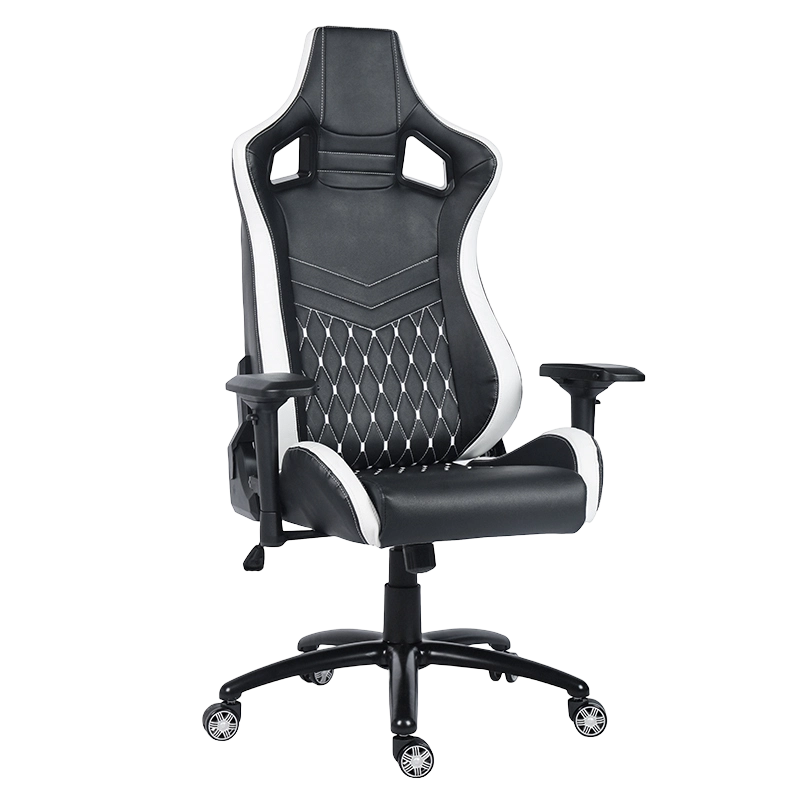
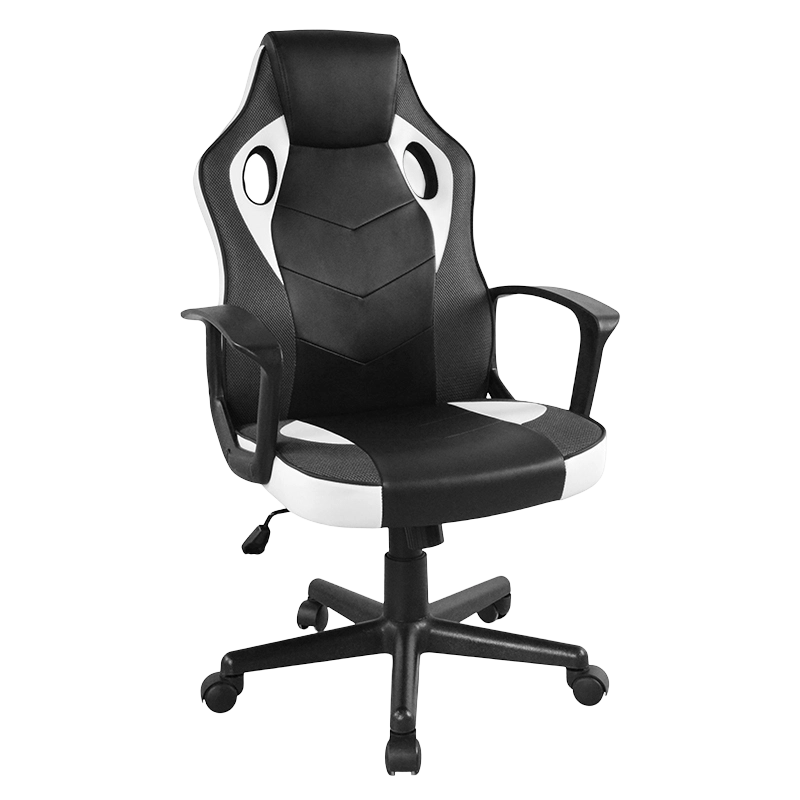
A bar stool is an elevated seating solution designed for use with bars, kitchen counters, high tables, and commercial dining spaces. Unlike regular chairs, bar stools feature taller frames and compact footprints — maximizing floor space while providing comfortable seating at elevated surfaces. A high-quality
bar stool delivers durability, style, and ergonomic comfort for restaurants, bars, hotels, cafes, and residential kitchens, making it an essential furniture piece in modern hospitality and home design.
How Bar Stools Are Constructed
A well-designed bar stool combines form and function through careful engineering of its components. The frame — typically steel, aluminum, or solid wood — provides structural support and stability. The seat, often featuring high-density foam cushioning, delivers comfort for extended sitting. The footrest offers ergonomic support for proper posture, reducing leg fatigue during use. A bar stool with adjustable height uses a gas lift mechanism for flexibility, accommodating different counter heights and user preferences. Swivel models incorporate rotation mechanisms for improved mobility and ease of conversation. The quality of materials and craftsmanship determines the stool's weight capacity, stability, and service life — commercial-grade bar stools typically support 120–150 kg and withstand 10+ years of daily use in hospitality environments.
1 Frame fabrication (metal or wood)
2 Seat cushion & upholstery
3 Mechanism assembly (swivel/adjust)
4 Quality testing & finishing
Key Benefits for Commercial and Residential Use
Businesses and homeowners who choose quality bar stools realize significant advantages in space efficiency, aesthetic appeal, and long-term value. Bar stools are a versatile seating solution for modern interiors.
Space-Efficient Design
Compact footprint and elevated design maximise floor space — ideal for small kitchens, narrow bars, and high-traffic commercial areas where space is at a premium.
Versatile Style Options
Available in industrial, contemporary, Scandinavian, and luxury styles — complementing any interior design theme from minimalist to premium hospitality.
Ergonomic Comfort
Footrests, padded seats, and backrest options provide comfortable seating for extended periods — enhancing customer experience and user satisfaction.
Durable & Easy Maintenance
High-quality materials and robust construction withstand daily commercial use. Easy-clean surfaces reduce maintenance time and costs.
Types of Bar Stools
Bar stools are available in various configurations to suit different applications, height requirements, and design preferences.
| Type |
Height |
Best Use |
Key Features |
| Counter Height |
23–28 inches |
Kitchen counters, islands |
Comfortable, home use |
| Bar Height |
29–33 inches |
Bars, restaurants, commercial |
Taller, professional use |
| Swivel |
Counter or bar |
Entertainment, bars |
360° rotation, flexible |
| Adjustable |
Variable |
Multi-purpose, versatile |
Gas lift, custom heights |
| Backless |
Counter or bar |
Small spaces, modern |
Minimalist, space-saving |
| Upholstered |
Counter or bar |
Luxury, premium seating |
Padded, leather/fabric |
Select the right type based on your application and space requirements. Counter height for kitchen islands; bar height for commercial bars; swivel for entertainment areas; adjustable for multi-purpose flexibility; backless for modern, compact spaces; upholstered for premium comfort and luxury settings.
Materials and Their Performance
The material choice for bar stools significantly affects durability, appearance, and maintenance requirements. Understanding material options helps buyers select the right stools for their environment.
Stainless Steel
Maximum durability, corrosion resistance, and modern appearance. Ideal for commercial kitchens, outdoor areas, and high-use hospitality environments.
Carbon Steel
Strong, cost-effective, and versatile. Powder-coated finishes offer corrosion protection and color options for various design styles.
Solid Wood
Natural warmth, classic appearance, and durability. Suitable for residential and traditional commercial interiors where wood aesthetics are desired.
PU Leather / Fabric
Comfortable, soft seating with easy cleaning. PU leather offers durability and stain resistance for commercial applications.
Manufacturing Quality and Standards
Bar stools are manufactured to quality standards that ensure safety, durability, and consistent performance. The production process involves frame fabrication, seat molding, upholstery, mechanism assembly, and comprehensive testing. Quality testing includes load-bearing tests, stability tests, and durability testing.
Frame
- Precision welding and joint construction
- Powder coating or electroplating for corrosion protection
- Load capacity verification
Seat
- High-density foam for comfort and durability
- Upholstery stitching and material quality
- Stain and abrasion resistance testing
Mechanisms
- Gas lift cylinder safety testing
- Swivel mechanism durability (50,000+ cycles)
- Smooth operation verification
Performance Specifications
Understanding the technical specifications of bar stools helps buyers select the right products for their applications.
Ideal Applications for Bar Stools
Bar stools deliver optimal results across diverse commercial and residential environments where elevated seating is required.
- Restaurants and bars: Customer seating at bar counters, high tables, and lounge areas requiring durable, comfortable, and stylish seating.
- Hotels and cafes: Lobby bars, coffee counters, and guest seating areas requiring attractive design and long service life.
- Home kitchens: Kitchen island and breakfast counter seating for daily use and entertaining.
- Offices and commercial spaces: Break rooms, reception areas, and collaborative workspaces requiring flexible seating arrangements.
- Entertainment venues: Nightclubs, lounges, and event spaces requiring durable, high-capacity seating solutions.
Care and Maintenance
Proper care of bar stools extends service life and maintains appearance. For metal frames, regular wiping with a damp cloth removes dust and prevents corrosion. For upholstered seats, prompt cleaning of spills prevents staining. Leather and PU upholstery should be wiped with a soft, damp cloth; fabric upholstery may require spot cleaning. Check and tighten screws and connections regularly to prevent loosening from daily use. For adjustable and swivel stools, periodic lubrication of moving parts ensures smooth operation. With proper maintenance, quality bar stools provide 10–15 years of reliable service in commercial environments and even longer in residential use.
What is the standard height for a bar stool?
Bar stool heights vary by application. Counter height stools are 23–28 inches (58–71 cm) for kitchen counters and islands. Bar height stools are 29–33 inches (74–84 cm) for commercial bars and high tables. Always measure your counter height before purchasing to ensure the correct fit.
What is the difference between a counter stool and a bar stool?
Counter stools are shorter (23–28 inches) and designed for kitchen counters and islands (counter height 36–39 inches). Bar stools are taller (29–33 inches) and designed for standard bar counters (bar height 40–42 inches). The height difference ensures proper legroom and comfortable seating.
Are swivel bar stools suitable for commercial use?
Yes, swivel bar stools are widely used in commercial environments. They provide flexibility and ease of movement for customers, particularly in bars and entertainment venues. Choose commercial-grade swivel mechanisms with 50,000+ cycle durability for high-use applications.
What is the recommended weight capacity for commercial bar stools?
Commercial bar stools should have a weight capacity of at least 120–150 kg. This ensures they can accommodate a wide range of users and withstand the demands of daily commercial use. Always check the manufacturer's weight capacity specification.


 Language
 English
 Français
 Español
 Deutsch