

 Language
 English
 Français
 Español
 Deutsch
How to Choose Home Office Chair for Ergonomic Workspaces
2026-08-21
A home office chair is more than just a place to sit — it is an essential ergonomic tool that supports proper posture, reduces fatigue, and enhances productivity during long working hours. Designed with adjustable features including seat height, backrest tilt, lumbar support, and armrest positioning, a quality home office chair accommodates different body types and work styles while promoting spinal health and comfort.
Ergonomic design principles
A well-designed home office chair follows established ergonomic principles that support the human body during prolonged sitting. The chair should maintain the natural S-curve of the spine through adjustable lumbar support that fits the lower back curve — typically 2–5 cm of adjustment range. The seat pan should be wide enough (45–55 cm) and deep enough (40–45 cm) to support the thighs without pressure behind the knees. The seat height adjustment range of 40–55 cm accommodates users from 150–190 cm tall. Backrest tilt of 95–110 degrees allows for micro-movements that reduce static loading on spinal discs. Armrests, when present, should support the forearms at a height that keeps shoulders relaxed. A home office chair with these ergonomic features reduces the risk of musculoskeletal disorders, which account for 30–40% of work-related health complaints among remote workers.
1
Lumbar support Adjustable 2–5 cm · Maintains spine curve
2
Seat height 40–55 cm range · 150–190 cm user height
3
Backrest tilt 95–110 degrees · Reduces spinal loading
Chair types and their characteristics
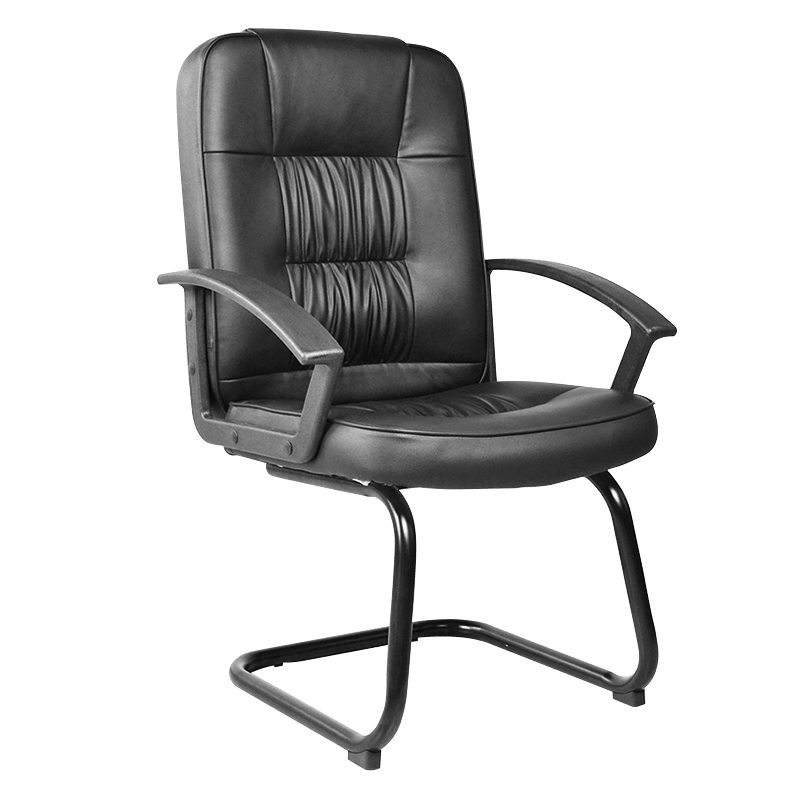
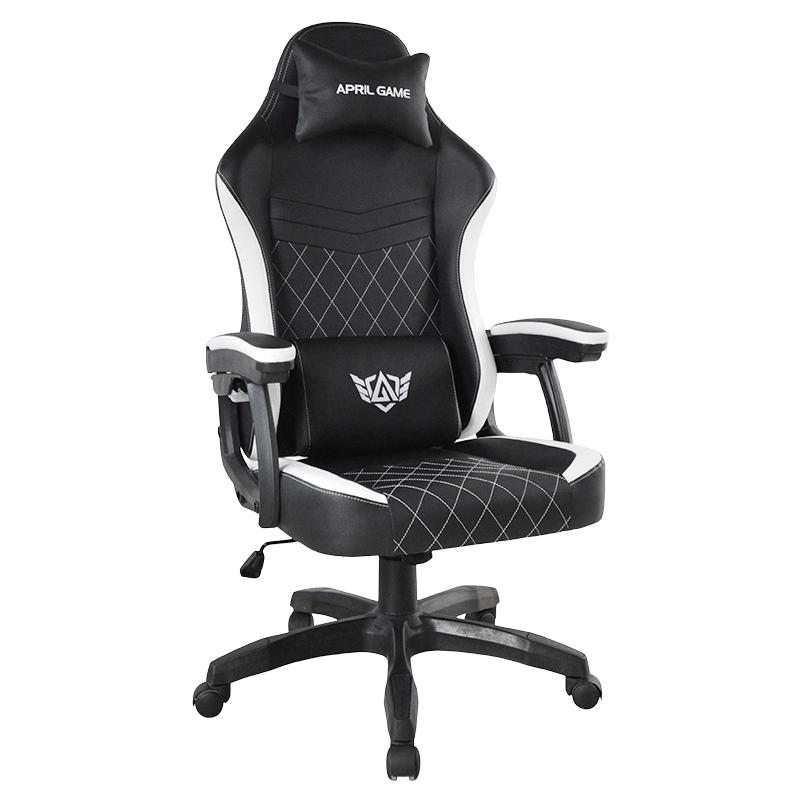
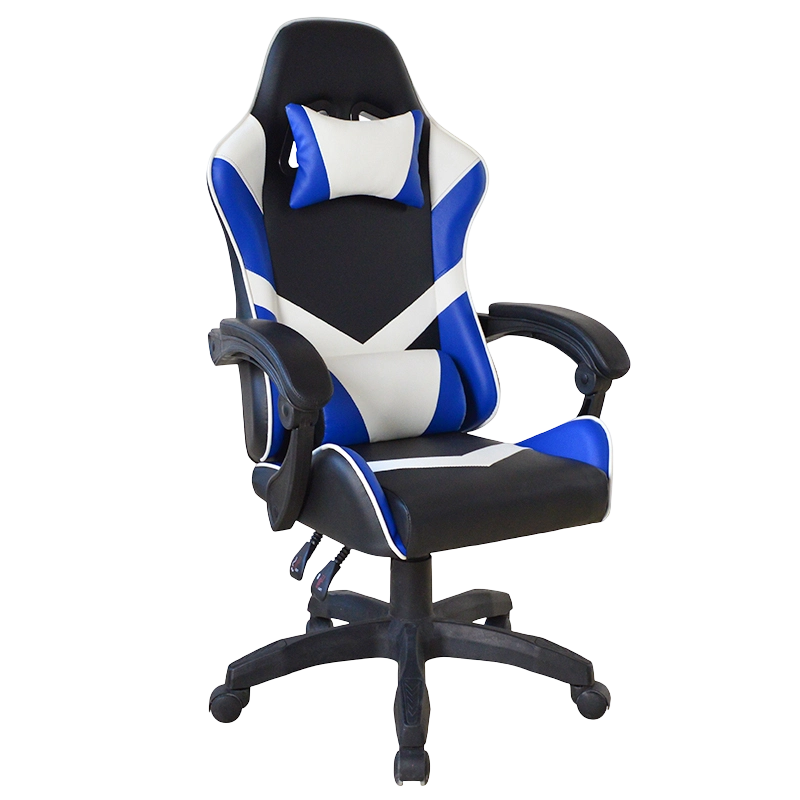
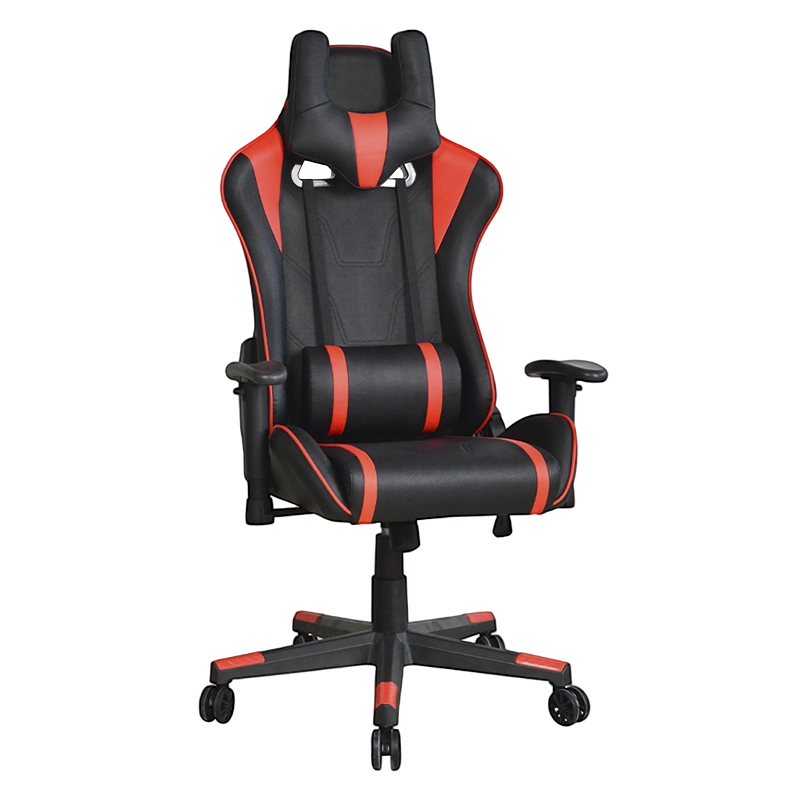
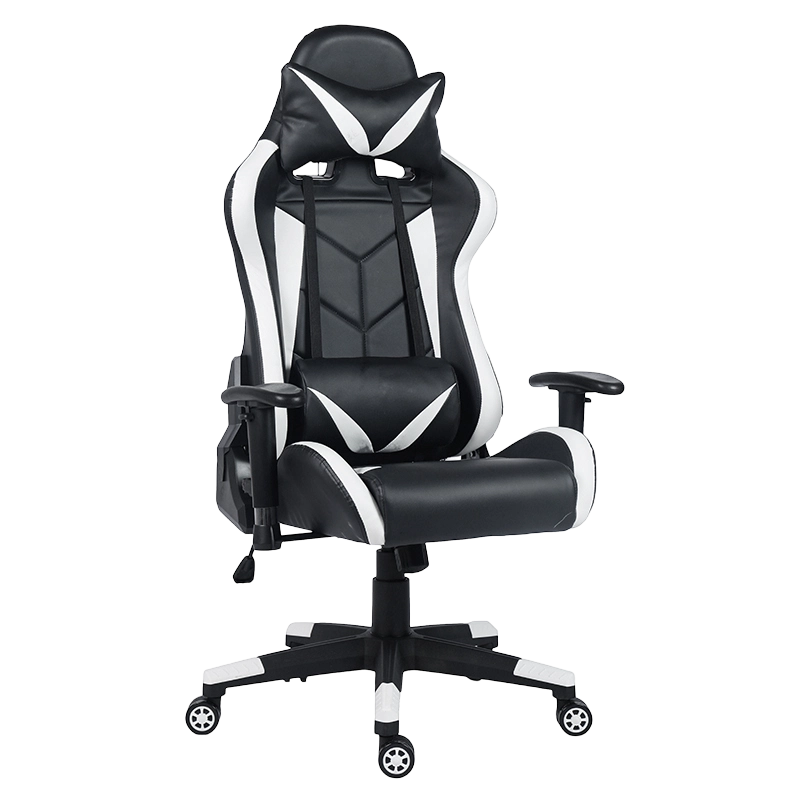
Home office chairs are available in several configurations to suit different preferences, work styles, and budgets. Ergonomic chairs prioritise adjustability and support, with multiple adjustment points and breathable mesh backs — ideal for full-time remote workers spending 6+ hours daily seated. Mesh chairs offer superior airflow, making them suitable for warm climates and users who tend to overheat during long sessions. Leather and PU leather chairs provide a professional, premium appearance with easy cleaning, popular for executive home offices and client-facing video calls. Executive chairs feature high backrests, plush cushioning, and generous proportions for maximum comfort during long hours. Gaming-style chairs offer strong side support and extreme reclining angles, appealing to users who want multi-functional seating for work and leisure. Compact and foldable chairs are space-saving options for apartments and temporary workspaces.
Ergonomic Full adjustability · Mesh/breathable 6+ hours
Mesh Breathable · Lightweight · Airflow Warm climates
Leather Premium · Easy clean · Professional Executive
Executive High back · Plush · Generous Management
Gaming style Side support · Extreme recline Multi-purpose
Key adjustment features and benefits
The adjustability of a home office chair determines its ability to fit different users and accommodate various work activities. Seat height adjustment — typically 8–12 cm range — allows the feet to rest flat on the floor with thighs parallel to the ground. Backrest height adjustment positions the lumbar support at the correct point on the lower spine. Backrest tilt tension controls the resistance when leaning back, with lockable positions for different reclining angles. Armrest height and width adjustments support the forearms at desk height, reducing shoulder strain. Headrest adjustment (when present) supports the neck during reclining. A chair with 5–8 adjustment points provides the flexibility to optimise comfort for different body sizes. Research indicates that adjustable chairs reduce reported discomfort by 40–60% compared to fixed-position seating.
Seat height 8–12 cm range
Backrest height 5–10 cm range
Tilt tension Adjustable resistance
Armrest Height & width adjustable
Materials and durability factors
The materials used in a home office chair directly affect comfort, durability, and appearance. Seat cushions typically use high-density polyurethane foam with densities of 35–50 kg/m³ — higher density provides better support and longer life. Mesh backrests use polyester or nylon mesh with 10–20% stretch for breathable support. Upholstery materials include polyester fabric (breathable, durable), PU leather (easy clean, cost-effective), and genuine leather (premium, develops patina). The chair base is usually nylon (lightweight, lower cost), steel (maximum strength), or aluminium (lightweight, premium). Gas lift cylinders have class ratings from 1 to 4 — class 3 is standard for home use; class 4 is recommended for heavier users or 8+ hour daily use. Casters range from 50–75 mm diameter with soft (hardwood) or hard (carpet) floor options. Quality indicators include smooth adjustment mechanisms, stable five-star base, and weight capacity of 100–150 kg.
Cushion foam 35–50 kg/m³ density · Long life
Mesh back 10–20% stretch · Breathable
Gas lift Class 3–4 · 8–12 cm adjustment
Application environments
◆
Remote working Full-time home office · 6+ hours daily
◆
Corporate office Professional setting · Executive areas
◆
Study & education Student desks · Online learning
◆
Gaming & creative Multi-purpose · Long sessions
Selection checklist
Determine daily sitting duration and usage type
Select chair type based on needs and style
Verify weight capacity and user weight range
Confirm adjustment points for ergonomic fit
Choose upholstery material for climate and use
Check casters for floor type (hard/carpet)
Maintenance and care
Regular maintenance extends the service life of a home office chair. Clean mesh and fabric upholstery with a vacuum cleaner or damp cloth — avoid soaking. Leather upholstery should be wiped with a damp cloth and conditioned periodically to prevent cracking. Lubricate the gas lift and tilt mechanisms annually with silicone spray to maintain smooth operation. Tighten screws and bolts every 3–6 months — vibration and regular use can loosen connections. Inspect casters for hair and debris accumulation and clean as needed. Replace the gas lift if the chair sinks during use (typically after 3–5 years of regular use). With proper care, a quality home office chair lasts 5–10 years, making it a worthwhile investment in comfort and productivity.




-
EMAIL
jacky@guyoufurniture.com
-
mobile
+86-15705723262
-
address
Baishuiwan Industry Zone, Tianhuangping Town, Anji County, Huzhou City, Zhejiang Province, China
CONTACT FORM
Copyright 2024 Anji Guyou Furniture Co., Ltd. Rights Reserved. Wholesale Furniture Chairs Suppliers
