

 Language
 English
 Français
 Español
 Deutsch
How to Choose the Perfect Bar Stool: Complete Buying Guide for Height, Materials & Style
2026-09-04
Selecting the right bar stool involves more than just picking a style you like. The wrong choice can result in discomfort, poor proportions with your counter, and a space that feels mismatched. This comprehensive guide walks you through every decision point—from measuring height accurately to understanding materials and quantities—so you invest in seating that complements your kitchen, dining area, or commercial establishment perfectly.
Understanding Bar Stools vs. Counter Stools: Know Which You Need
The first step in choosing bar seating is distinguishing between the two main categories. These terms are often used interchangeably, but they refer to different heights and purposes.
Bar Stool Specifications
A true bar stool features a seat height between 28 and 32 inches, designed to pair with countertops that are 40 to 42 inches tall. This height is standard for traditional bars and tall kitchen islands. The elevated seating creates a more formal dining or socializing atmosphere and works well in spaces where you want distinct separation between the seating and the social area.
Counter Stool Characteristics
Counter stools offer a seat height between 24 and 27 inches, matching countertops that stand 35 to 39 inches high. These are more common in residential kitchens and casual dining environments. The lower profile makes them suitable for everyday use and easier to access for children and elderly users.
Additional Height Categories
Beyond these two main types, you'll encounter specialized options:
- Short bar stools (16 to 23 inches) designed for desks, makeup vanities, and low-height surfaces
- Tall or extra-high stools (34 to 40 inches) for elevated bar counters or specialty installations
Understanding these categories prevents the frustration of receiving seating that doesn't align with your counter height, which is one of the most common purchasing mistakes.
Precise Measurement: The Golden Rule for Bar Stool Height
Proper measurement is essential for comfort and aesthetics. The fundamental principle is straightforward: maintain a distance of 10 to 12 inches between the top of the seat and the underside of the counter. This gap allows users to comfortably slide in and out of the stool while seated, preventing their knees from hitting the counter edge.
Step-by-Step Measurement Process
Follow this method to determine the correct seat height for your space:
- Measure the height from the floor to the bottom surface of your counter
- Subtract 10 to 12 inches from that measurement
- The result is your ideal seat height range
- Also measure the width and depth beneath the counter to ensure stools fit fully when not in use
Counter Height Reference Chart
This table provides quick recommendations based on your counter's height:
| Counter Height | Recommended Seat Height |
|---|---|
| 34 inches | 22 to 24 inches |
| 35 inches | 23 to 25 inches |
| 36 inches | 24 to 26 inches |
| 39 inches | 27 to 29 inches |
| 42 inches | 30 to 32 inches |
These recommendations assume the standard 10 to 12-inch clearance and typical foot positioning. If users are unusually tall or prefer more generous legroom, add an inch or two to the seat height.
Determining Quantity: How Many Bar Stools Do You Need?
The number of stools depends on your counter length and the spacing you want between each seat. Proper spacing ensures comfort, prevents collisions, and creates a balanced visual appearance.
The Spacing Formula
Allow a minimum of 8 inches between the outer edge of one stool's seat and the outer edge of the adjacent seat. For stools with armrests, increase this spacing to 12 to 15 inches to prevent discomfort. This measurement accounts for both seated comfort and the natural movement when entering or exiting the stool.
Quantity Guide for Standard Counters
This reference assumes standard 16-inch-wide seats without armrests:
| Counter Length | Recommended Number of Stools |
|---|---|
| 5 to 6 feet | 3 stools |
| 7 to 8 feet | 4 stools |
| 9 to 10 feet | 5 stools |
| 11 to 12 feet | 6 to 7 stools |
Single-Side vs. Multi-Side Arrangement
Single-sided arrangements place all stools on one side of the counter, typical for kitchen islands accessed from the living space. Multi-sided arrangements, using fewer stools on both sides, work well for bars that receive traffic from multiple directions. Consider your layout and flow patterns when deciding between these approaches.
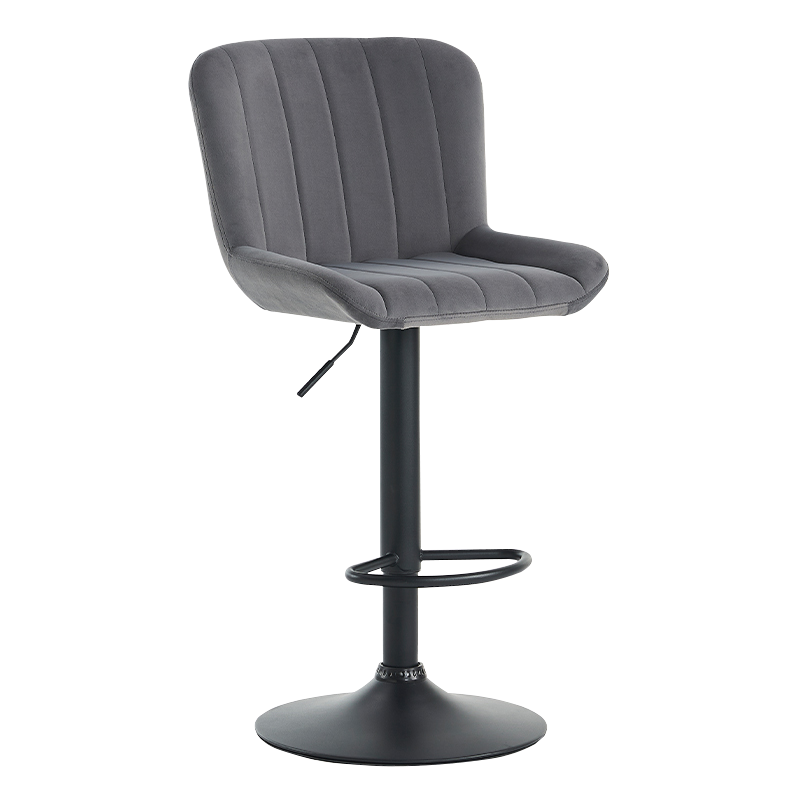
Materials and Comfort: Selecting the Right Stool for Your Needs
The material of your bar stool affects durability, aesthetic appeal, maintenance requirements, and overall comfort. Different materials serve different purposes and contexts.
Material Comparison Chart
| Material | Key Benefits | Best For | Maintenance |
|---|---|---|---|
| Solid Wood | Durable, classic look, strong weight capacity | Family kitchens, high-traffic areas | Moderate |
| Metal / Powder-Coated Steel | Sturdy, modern style, weather-resistant | Industrial spaces, outdoor patios | Low |
| Velvet / Upholstered Fabric | Luxurious feel, color variety, soft comfort | Casual dining, lounge areas | High (removable covers preferred) |
| PU Leather / Faux Leather | Easy to clean, cost-effective, durable | Restaurants, homes with children | Low |
Key Comfort Features
Backrest Support — Stools with backrests provide significantly more comfort for extended sitting periods, particularly in dining or bar scenarios where people spend 30 minutes or longer seated. The backrest reduces strain on the lower spine and prevents fatigue.
Footrest Design — A well-positioned footrest at 7 to 10 inches below the seat height reduces pressure on the legs and improves circulation. This feature is especially beneficial in commercial settings where turnover is frequent and comfort matters for customer satisfaction.
Cushion Specifications — High-density foam cushioning (typically 1.5 to 2 inches thick) provides better support than thin padding. Denser foam maintains its shape over time and resists permanent indentation from regular use.
Ergonomic Backrest Curve — Lumbar support built into the backrest follows the natural curve of the human spine. This design element distinguishes premium comfort stools from basic models and contributes to long-term user satisfaction.
Swivel Function — Swivel bases allow users to turn without standing, adding convenience and reducing the wear on the base and floor. Quality swivel mechanisms operate smoothly and lock securely at 360-degree rotation points.
Style and Design: Making Bar Stools Complement Your Space
Beyond function, bar stools serve as design elements in your kitchen or dining area. Selecting a style that aligns with your interior aesthetic creates visual harmony and elevates the overall room design.
Contemporary and Modern
Modern stools emphasize clean lines, minimalist forms, and neutral color palettes. Materials include brushed metal, polished steel, and sleek wood finishes. These designs work well in minimalist kitchens, modern lofts, and professional office break rooms. The aesthetic is uncluttered and focuses on geometric precision.
Traditional and Classic
Traditional bar stools feature turned wood legs, decorative elements, and warm finishes in oak, cherry, or walnut. Upholstery typically uses rich fabrics in earth tones or classic patterns. This style suits period homes, country kitchens, and formal dining spaces where timeless elegance is desired.
Transitional Design
Transitional stools blend modern and classic elements, offering the best of both worlds. They might feature simple lines with subtle decorative details, or contemporary frames paired with traditional upholstery. This versatile approach works in homes that mix design periods or in spaces where flexibility matters.
Industrial and Rustic
Industrial stools showcase exposed metal frames, galvanized finishes, and salvaged wood elements. The aesthetic is bold and raw, fitting perfectly in warehouse-style lofts, breweries, and restaurants with a casual vibe. Metal footrests and distressed surfaces enhance the authentic industrial look.
Coastal and Tropical
Coastal-inspired stools incorporate woven materials like rattan or seagrass, natural wood tones, and light upholstery in whites, creams, or soft blues. These designs evoke relaxation and fit seamlessly in beach houses, tropical-themed spaces, or casual family kitchens with a laid-back atmosphere.
Color and Material Coordination
Match your stool finish to existing kitchen hardware and cabinet colors. If your cabinets are dark wood, select stools with complementary wood tones or neutral metal frames. For stainless steel appliances, brushed metal or chrome-finished stools enhance the cohesive look. Upholstery color should either match or intentionally contrast with surrounding textiles like window treatments or area rugs.
Commercial vs. Residential: Different Requirements
Bar stools used in commercial environments face different demands than residential furniture. Understanding these distinctions ensures you select appropriate seating for your context.
Commercial Stool Requirements
Restaurants, bars, and hospitality spaces demand high-performance seating. Commercial stools must support weight capacities of 330 pounds or higher and withstand continuous use across multiple shifts daily. Materials need to resist wear, staining, and damage from frequent cleaning. Frames typically meet industry standards such as BIFMA (Business and Institutional Furniture Manufacturers Association) or European equivalents (EN standards) that verify structural integrity and safety.
Commercial fabrics are specifically formulated to resist spills, UV fading, and abrasion. Vinyl and performance leather outperform standard upholstery in hospitality settings. The design should prioritize easy cleaning and maintenance, with removable or wipeable components where possible. Commercial stools often feature reinforced footrests and welded joints for additional durability.
Residential Stool Considerations
Residential stools prioritize aesthetics and personalized comfort over maximum durability. While still sturdy, they're designed for lighter use—typically supporting users during casual meals or gathering moments rather than continuous commercial traffic. Residential options offer greater style variety and often incorporate decorative elements absent from commercial designs.
Material choices in residential settings can lean toward luxury fabrics like velvet or natural fibers without the heavy-duty coatings required for commercial application. Weight capacity requirements are generally lower, and maintenance expectations align with typical household care rather than professional cleaning protocols.
Performance Data from Real-World Applications
Establishments that invested in commercial-grade seating reported longer furniture lifecycles and reduced replacement costs over five years compared to facilities using residential-grade stools in high-volume settings. The initial cost premium of commercial furniture typically pays for itself through extended durability and reduced maintenance frequency.
Frequently Asked Questions
Q1: What is the ideal height for bar stools when my counter is 42 inches tall?
For a 42-inch counter, select bar stools with a seat height between 30 and 32 inches. This maintains the recommended 10 to 12-inch clearance between the seat top and the counter's underside, ensuring comfortable leg room and ease of entry and exit.
Q2: How many bar stools should I place along a 6-foot island counter?
A 6-foot counter accommodates approximately 3 bar stools comfortably. This spacing allows 8 inches between each stool's outer edge, preventing a cramped appearance while ensuring adequate seating. Adjust based on stool width and desired spacing preferences.
Q3: Are bar stools with backs significantly more comfortable than backless designs?
Yes, stools featuring a backrest provide noticeably better support during extended sitting sessions. The backrest reduces strain on the lower spine and prevents slouching, making them ideal for dining scenarios lasting 30 minutes or longer. Backless stools work well for quick seating or aesthetic minimalism but sacrifice comfort for extended use.
Q4: What is the fundamental difference between a bar stool and a counter stool?
The primary distinction lies in seat height. Bar stools have seats between 28 and 32 inches tall, matching 40 to 42-inch counters. Counter stools range from 24 to 27 inches, pairing with 35 to 39-inch counters. Selecting the wrong type results in uncomfortable proportions and poor ergonomics.
Q5: Which material is easiest to clean and maintain for a busy household?
PU leather and powder-coated metal are the lowest-maintenance materials. PU leather wipes clean easily and resists staining, making it ideal for homes with children. Powder-coated metal requires only occasional dusting. Fabric and velvet demand more attention, including potential dry cleaning for deep stains.
Q6: Should bar stools match my kitchen cabinet color exactly?
Exact color matching isn't necessary. Instead, ensure the stool finish complements your cabinet hardware and appliance finishes. If cabinets are dark wood, select stools with similar wood tones or neutral metal frames. This coordination creates visual harmony without requiring perfect matches.
Q7: Can I use residential bar stools in a commercial restaurant setting?
Residential stools are not recommended for high-volume commercial use. Commercial environments require furniture rated for 330+ pound weight capacity and heavy-duty fabrics. Residential stools lack the durability standards (BIFMA, EN certification) and reinforced construction necessary for daily professional use, resulting in premature wear and failure.
Q8: What footrest height is optimal for comfortable leg support?
Position the footrest 7 to 10 inches below the seat height. This placement reduces pressure on the legs during seated use and promotes healthy circulation. A properly positioned footrest prevents dangling legs and distributes body weight more evenly across the stool.
Q9: Are swivel bar stools worth the additional expense?
Swivel bases add convenience by allowing users to rotate without standing, reducing wear on joints and the stool base itself. For family kitchens where movement and accessibility matter, swivels enhance usability. In formal or casual settings where seating is less interactive, standard bases suffice.
Q10: How do I measure the width and depth to ensure stools fit under my counter?
Measure the horizontal space beneath your counter from one vertical support to another (or from the counter's inner edge to the opposite support). Next, measure the depth from the counter's edge to the back support or wall. Ensure your stool dimensions, when seated fully beneath the counter, leave at least 2 to 3 inches clearance on all sides for comfortable tucking and retrieval.
Selecting the perfect bar stool involves balancing practical considerations with aesthetic preferences. By understanding height requirements, measuring precisely, considering material durability, and evaluating your specific use case—whether residential or commercial—you create an environment where seating enhances both function and style. Take time to assess your counter dimensions, traffic patterns, and design goals before making a purchase decision. Quality bar seating that aligns with your space and lifestyle will provide years of comfort and visual appeal, making every gathering around your counter a pleasant experience.
Ready to find the ideal bar stools for your space? Browse our collection of bar stool options or contact our design consultants for personalized recommendations tailored to your specific measurements and style preferences.



-
EMAIL
jacky@guyoufurniture.com
-
mobile
+86-15705723262
-
address
Baishuiwan Industry Zone, Tianhuangping Town, Anji County, Huzhou City, Zhejiang Province, China
CONTACT FORM
Copyright 2024 Anji Guyou Furniture Co., Ltd. Rights Reserved. Wholesale Furniture Chairs Suppliers
