

 Language
 English
 Français
 Español
 Deutsch
Why Should Gamers Invest in an Ergonomic Gaming Chair for Better Health?
2026-05-08
For millions of players worldwide, gaming is no longer a casual pastime but a dedicated pursuit requiring hours of focused attention. Yet, gamers overlook the silent enemy that accumulates with each session: physical strain. The solution begins with a single, often-misunderstood piece of equipment: the gaming chair. Unlike ordinary seating, a properly designed ergonomic gaming chair is not a luxury—it is a foundational tool for preserving your body while you conquer virtual worlds.
The Hidden Cost of Long Gaming Sessions
When you are immersed in a competitive match or an expansive RPG, your body adapts to the screen in ways that feel natural but are medically problematic. Slumped shoulders, a forward-leaning head, and a curved lower spine become the default posture. Over weeks and months, this positioning triggers a cascade of issues: chronic back pain, reduced circulation, and muscle imbalances. The average gamer spends over eight hours seated weekly, often in chairs that provide zero lumbar support. Without a proper ergonomic gaming chair, these hours accelerate spinal degradation and fatigue.
A conventional office chair or a beanbag might seem harmless, but they lack critical adjustments needed for dynamic gaming postures. Gamers lean forward during intense action, sit back during exploration, and shift weight constantly. A static seat fights against these natural movements. By contrast, an ergonomic gaming chair works with your body’s needs, not against them.
Anatomy of a Health-Focused Gaming Chair
To understand why investment matters, break down the key components that distinguish a genuine ergonomic gaming chair from a regular seat. The table below summarizes the essential features and their direct health benefits.
| Feature | Health Benefit |
|---|---|
| Adjustable lumbar support | Maintains natural spinal curve, prevents lower back pain |
| Height-adjustable armrests | Reduces shoulder tension and wrist strain |
| Reclining backrest (90°–135°) | Allows spine decompression and postural variation |
| Seat depth slider | Supports thighs without cutting off circulation |
| Headrest pillow | Prevents forward head posture and neck stiffness |
| Breathable mesh or high-density foam | Minimizes pressure points and sweating |
Each element serves a specific therapeutic purpose. For example, adjustable lumbar support is not merely about comfort—it actively maintains the lordotic curve of the lower spine. Without it, the pelvis rotates backward, flattening the disc between the L5 and S1 vertebrae. Over time, this degeneration leads to herniated discs, sciatica, and persistent stiffness. A quality ergonomic gaming chair prevents this mechanism entirely.
Another overlooked component is the recline function. Many gamers assume sitting upright is always optimal. In reality, changing the backrest angle throughout a session redistributes compressive forces on the intervertebral discs. Reclining to 120 degrees, for instance, reduces disc pressure by nearly 30 percent compared to an upright, unsupported posture. Thus, a gaming chair with a smooth recline mechanism directly contributes to spinal longevity.
Posture and Performance: The Undeniable Link
Poor posture does not only hurt your back—it degrades your gameplay. When the head juts forward by just 15 degrees, the effective weight of the head on the neck increases from approximately 5 kilograms to over 12 kilograms. The trapezius and levator scapulae muscles must contract constantly to hold this position. As these muscles fatigue, blood flow to the brain is subtly reduced, and reaction times slow. In competitive gaming, milliseconds matter.
A well-fitted ergonomic gaming chair aligns the ears, shoulders, and hips vertically. This neutral posture minimizes muscle fatigue, allowing blood and oxygen to reach the brain efficiently. Gamers who switch from a basic seat to a proper gaming chair often report clearer focus, fewer headaches, and sustained energy during marathon sessions. This is not placebo—it is biomechanics.
Furthermore, adjustable armrests on a gaming chair allow the elbows to rest at a 90-degree angle, keeping the wrists straight over the keyboard and mouse. This alignment prevents repetitive strain injuries such as carpal tunnel syndrome and tennis elbow. Without this support, gamers unconsciously hover their arms, straining the rotator cuff and provoking chronic inflammation.
Long-Term Health Risks of Cheap Seating
Investing in a gaming chair is an investment in avoiding future medical expenses. Consider the common conditions linked to poor seating:
- Chronic back pain: Affects nearly 60 percent of heavy gamers using non-ergonomic seats.
- Neck myofascial pain syndrome: Triggered by sustained forward head posture during aiming or looting.
- Deep vein thrombosis (DVT): Rare but elevated risk when seat edges compress the popliteal vein behind the knee.
- Hip flexor shortening: Leads to lower crossed syndrome, causing both back and hip pain.
Each of these conditions is largely preventable with a chair designed for variable posture support. A gaming chair with adjustable seat depth, for instance, lets you set the edge two finger-widths behind the knees, eliminating pressure on the popliteal area and maintaining venous return.
Contrasting Surface-Level “Gamer” Aesthetics
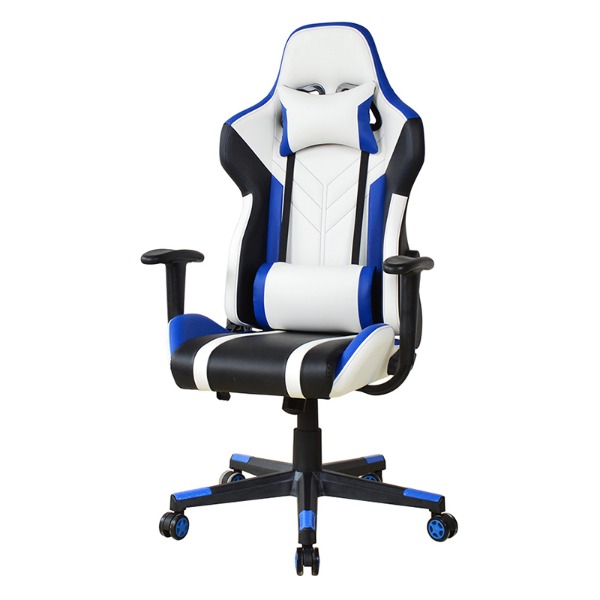
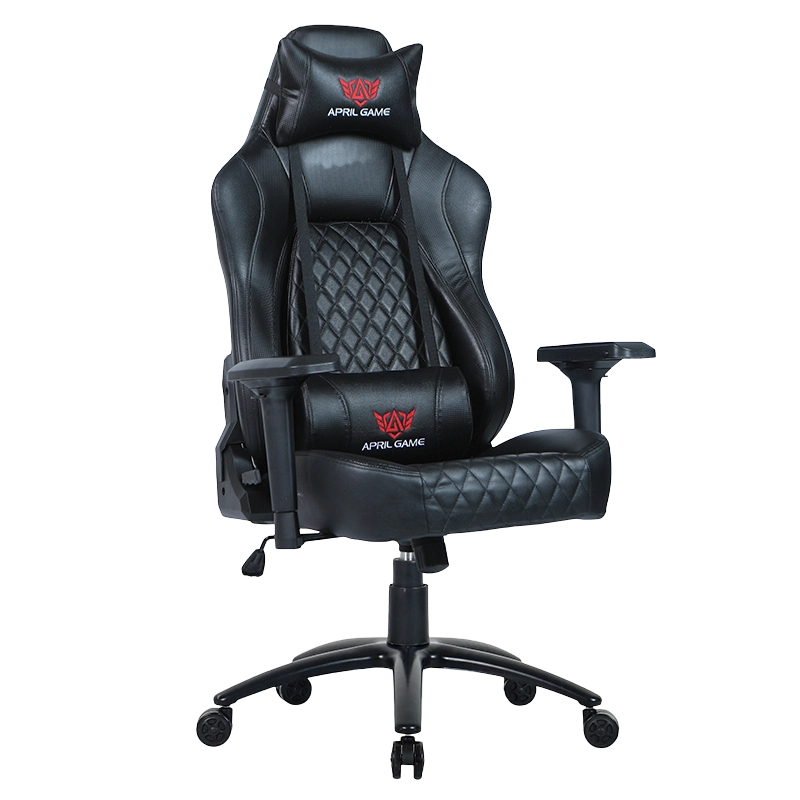
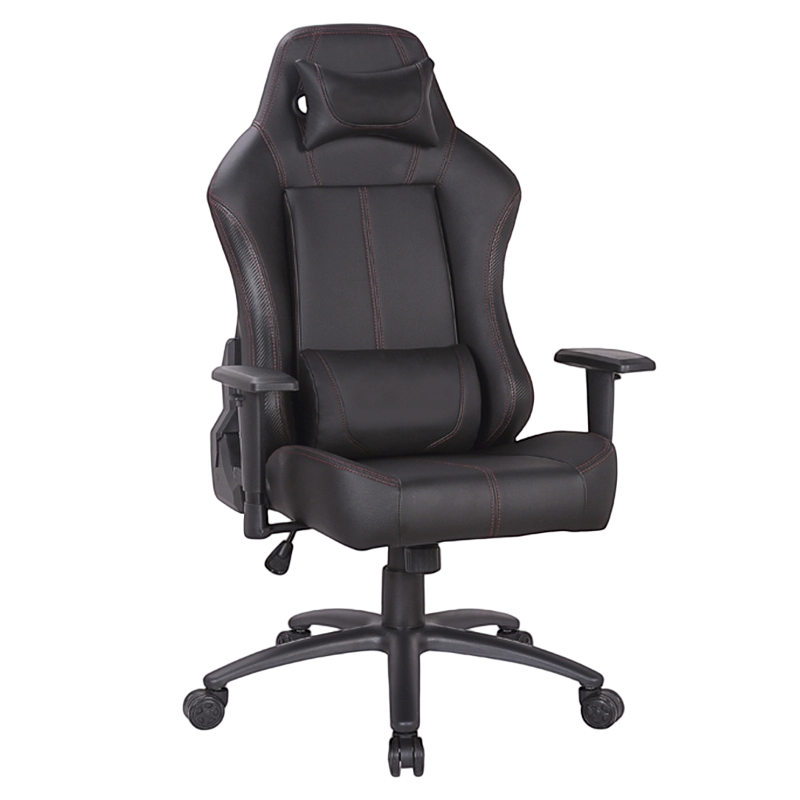
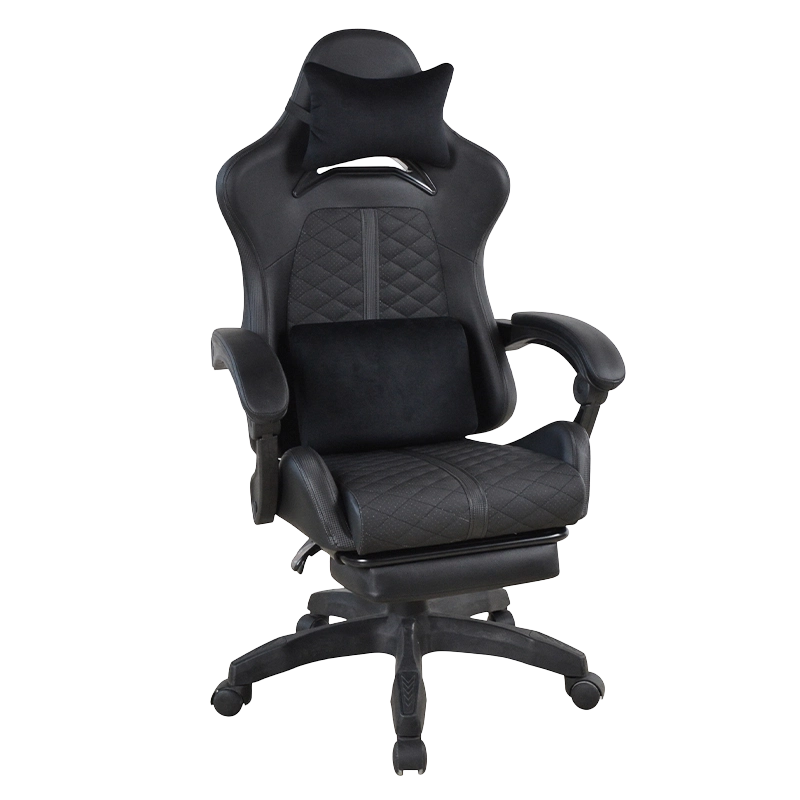
Many products on the market mimic racing car seats—high side bolsters, flashy colors, and faux leather. These visual cues appeal to gamers but often sacrifice true ergonomics. A legitimate ergonomic gaming chair prioritizes adjustability and material breathability over aggressive styling. High side bolsters, while sporty, restrict natural cross-leg sitting or shifting. Faux leather, while easy to clean, traps heat and moisture, causing skin irritation and discomfort after two hours.
Instead, look for a gaming chair that emphasizes mechanical adjustments over fixed curves. The ability to modify armrest height, width, and angle; to alter lumbar depth; and to change headrest position distinguishes a health-oriented product from a decorative one. Do not be misled by marketing terms like “racing style”—your spine does not need side bolsters. It needs support that adapts to you.
Creating a Complete Healthy Gaming Setup
A gaming chair cannot work alone. For health benefit, integrate it into a holistic environment:
Monitor height: Top of the screen at or slightly below eye level to keep the neck neutral.
Desk height: Elbows at 90° when hands rest on the home row.
Foot support: Flat on the floor or on a footrest to prevent hamstring tension.
Lighting: Indirect ambient light to reduce eye strain, which indirectly improves posture.
Even the ergonomic gaming chair fails if the monitor is too low—you will still hunch. Pair your chair with simple risers or adjustable monitor stands. This synergy multiplies the health benefits.
Breaking the Cost Myth
A common hesitation is price. Quality ergonomic seating often costs more than basic chairs. However, frame the decision as a medical expense rather than a furniture purchase. A single chiropractic visit ranges in cost; ongoing physical therapy for chronic back pain accumulates rapidly. One well-built gaming chair lasts five to eight years, protecting you across thousands of gaming hours. The cost-per-use ratio is negligible compared to the pain and lost gaming time from preventable injury.
Moreover, consider the resale value. A durable ergonomic gaming chair maintains function and holds reasonable second-hand value. Cheap alternatives break within a year, forcing repeat purchases. From a financial standpoint, buying a proper gaming chair is the cheaper long-term decision.
Psychological Benefits: Less Pain, More Enjoyment
Health is not only physical. Constant discomfort shifts attention away from gameplay. A twinge in the lower back during a boss fight, numbness in the right thigh during a ranked match—these micro-distractions accumulate frustration. Over months, they can even reduce motivation to play. An ergonomic gaming chair removes this hidden mental load. When your body is comfortable, your mind frees up to strategize, react, and immerse.
Gamers who upgrade frequently report enjoying longer sessions without the usual fatigue. This translates to better practice consistency, higher skills retention, and overall greater satisfaction with their hobby. Health and enjoyment are not opposing forces—they reinforce each other when supported by proper equipment.
Conclusion: A Smart Investment for Every Gamer
The evidence is clear: prolonged gaming without proper spinal support leads to measurable physical decline. Conversely, an ergonomic gaming chair designed with adjustable lumbar support, recline, armrests, and seat depth actively prevents pain, improves circulation, and sustains reaction times. While the upfront cost may exceed that of a basic office chair, the long-term health savings and enhanced gaming performance justify the investment.
Do not wait for back pain to force a change. Evaluate your current seating. If it lacks any of the core ergonomic features, you are accumulating daily debt on your body’s structural integrity. Choose a gaming chair that prioritizes your health as much as your k/d ratio. After all, the important asset in any game is the player—and players need healthy spines to keep playing.



-
EMAIL
jacky@guyoufurniture.com
-
mobile
+86-15705723262
-
address
Baishuiwan Industry Zone, Tianhuangping Town, Anji County, Huzhou City, Zhejiang Province, China
CONTACT FORM
Copyright 2024 Anji Guyou Furniture Co., Ltd. Rights Reserved. Wholesale Furniture Chairs Suppliers
