

 Language
 English
 Français
 Español
 Deutsch
How to Choose a Comfortable and Durable Dining Chair?
2026-04-30
Selecting the ideal seating for a dining space is a balance of aesthetic appeal, ergonomic support, and long-term structural integrity. Whether furnishing a private residence or a high-traffic commercial venue, the quality of a dining chair dictates the user experience and the longevity of the investment. Understanding the nuances of construction and material science is essential for making an informed decision.
The Foundation of Comfort: Ergonomics and Dimensions
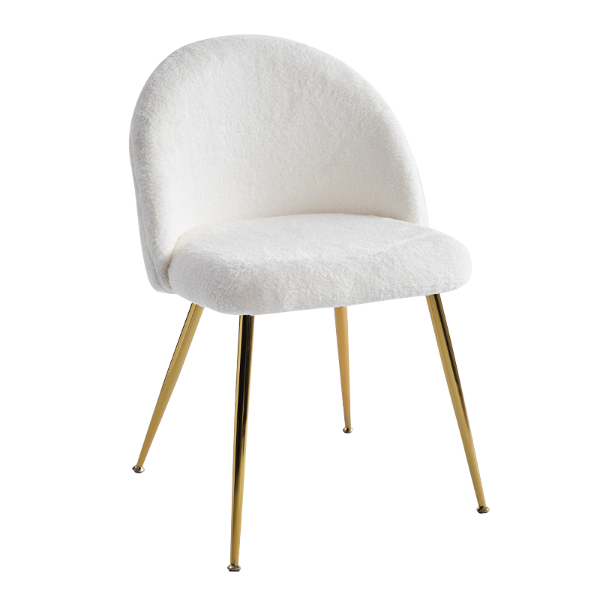
A dining chair is only as good as the comfort it provides during extended use. Ergonomics plays a vital role in ensuring that the sitter remains supported without experiencing pressure points. When evaluating options from various dining chair manufacturers, the following dimensions are critical:
- Seat Height: Standard dining tables usually stand at 75cm. Therefore, a chair seat height of 45cm to 48cm is ideal to allow for comfortable legroom.
- Seat Width and Depth: A width of at least 45cm ensures stability, while a depth that allows for a two-finger gap between the seat edge and the back of the knees prevents circulatory issues.
- Backrest Angle: A slight recline (approximately 10 to 15 degrees) is generally more comfortable than a perfectly vertical backrest, as it distributes weight more evenly across the spine.
Material Selection for Durability
The lifespan of a dining chair is directly linked to the materials used in its frame and upholstery. Professional dining chair manufacturers prioritize materials that can withstand repetitive weight loading and environmental factors.
| Material Type | Pros | Cons | Best Use Case |
|---|---|---|---|
| Solid Hardwood | Exceptional longevity, natural aesthetic, easy to repair. | Heavier, can be sensitive to humidity changes. | Formal dining, high-end residential. |
| Reinforced Metal | High weight capacity, slim profiles, fire-resistant. | Can feel cold to the touch, potential for scratches. | Industrial styles, commercial bistros. |
| Engineered Polymers | Weather-resistant, easy to clean, versatile shapes. | May lack the “premium” feel of natural wood. | Outdoor dining, casual cafes. |
| Upholstered Fabric | Maximum comfort, endless color options. | Requires maintenance, prone to staining. | Long-form dinner parties, luxury settings. |
Assessing Structural Integrity
Durability is not just about what the chair is made of, but how it is put together. High-quality dining chair construction often involves traditional joinery techniques that outperform simple glue or staples.
Mortise and Tenon Joints: This is the gold standard for wooden chairs, providing a mechanical bond that resists wobbling over time.
Corner Bracing: Look for chairs that feature triangular blocks screwed into the corners of the seat frame. This prevents the legs from splaying outward under heavy weight.
Welding Quality: For metal chairs, welds should be smooth and continuous rather than “tacked” in small spots, which can snapping under stress.
Aesthetic Integration and High-Traffic Considerations
While comfort and durability are paramount, the dining chair must also align with the interior design. Modern trends emphasize “mixed materials,” where metal frames are paired with wooden backrests or leather seats. For those sourcing for hospitality or large-scale projects, stackability and weight become operational factors. Manufacturers often provide “contract-grade” certifications, indicating the chair has passed rigorous testing for stability and surface wear.
Frequently Asked Questions (FAQ)
Q1: How can I tell if a dining chair is “contract-grade”?
Contract-grade chairs are specifically tested for high-traffic environments. They usually feature reinforced joints, high-rub-count fabrics (measured by the Martindale scale), and meet specific fire safety standards. If a manufacturer specifies “commercial use,” it is likely built for higher durability than standard residential pieces.
Q2: What is the durable fabric for dining chairs?
Synthetic fibers like polyester blends or solution-dyed acrylics are highly durable and stain-resistant. For a more premium feel, top-grain leather is exceptionally long-lasting and develops a patina over time, though it requires occasional conditioning.
Q3: Is a chair with arms better than one without?
Armchairs provide better support for long meals and help elderly users stand up more easily. However, they require more space. A common practice is to use armchairs at the ends of the table and “side chairs” (armless) along the sides to maximize seating capacity.
Q4: How do I maintain my dining chairs to ensure they last?
Check and tighten screws or bolts every six months. For wooden chairs, keep them away from direct sunlight and heat sources to prevent cracking. For upholstered chairs, vacuuming the fabric regularly prevents dust from abrading the fibers.
Conclusion
Choosing the right dining chair requires a holistic approach that considers the physical dimensions, the quality of raw materials, and the precision of the manufacturing process. By focusing on ergonomic standards and robust joinery, you ensure that the furniture serves its purpose effectively for years to come.



-
EMAIL
jacky@guyoufurniture.com
-
mobile
+86-15705723262
-
address
Baishuiwan Industry Zone, Tianhuangping Town, Anji County, Huzhou City, Zhejiang Province, China
CONTACT FORM
Copyright 2024 Anji Guyou Furniture Co., Ltd. Rights Reserved. Wholesale Furniture Chairs Suppliers
