

 Language
 English
 Français
 Español
 Deutsch
Why Material Selection Matters When Choosing an Accent Chair?
2025-12-05
In contemporary interior design, accent chairs are no longer just functional seating; they are statements of style, comfort, and personality. Selecting the right accent chair involves more than just aesthetics—material selection plays a pivotal role in determining durability, comfort, maintenance, and overall satisfaction. For homeowners, interior designers, and retailers alike, understanding the nuances of material choice can elevate a room’s design while ensuring longevity.
Understanding Accent Chairs
Accent chairs, sometimes referred to as occasional chairs, are versatile pieces of furniture designed to complement a room’s décor. They are available in various forms, including accent armchairs and accent sofa chairs. While the design and shape of an accent chair are often the considerations, the material from which it is made has profound implications.
Key Considerations for Material Selection
Material selection impacts four primary aspects of an accent chair:
- Durability – The longevity of the chair depends largely on the fabric, frame, and padding material.
- Comfort – Upholstery, cushioning, and armrest materials define user comfort.
- Maintenance – Some materials require specialized care, affecting convenience and cost.
- Aesthetics – The texture, color, and finish of materials influence the visual appeal of a room.
Common Materials for Accent Chairs
Accent chairs are manufactured using a variety of materials. Each material offers unique benefits and limitations. Understanding these characteristics is essential for making an informed choice.
| Material Type | Advantages | Disadvantages | Ideal Usage |
|---|---|---|---|
| Leather | Durable, easy to clean, ages well | Expensive, sensitive to scratches and heat | Living rooms, executive spaces |
| Linen | Breathable, natural texture, aesthetic appeal | Prone to wrinkles, stains easily | Casual settings, low-traffic areas |
| Velvet | Luxurious appearance, soft texture | High maintenance, attracts dust | Formal living rooms, decorative spaces |
| Cotton | Comfortable, widely available, affordable | Can fade or stain, less durable | Everyday use, family rooms |
| Synthetic Fabrics (Polyester, Microfiber) | Affordable, stain-resistant, colorfast | May feel less natural, heat-sensitive | High-traffic areas, rental properties |
| Wood (Frame) | Sturdy, versatile finishes | Can scratch or dent, heavy | Durable foundation for accent armchairs |
| Metal (Frame) | Sleek, modern look, highly durable | Cold to touch, can be heavy | Industrial or contemporary designs |
Why Material Matters for Comfort and Durability
The comfort of an accent chair is directly linked to its cushioning and upholstery. High-density foam or down padding ensures prolonged comfort, while the outer material affects tactile experience. For instance, velvet may feel plush but requires careful maintenance, whereas leather provides a firm, supportive surface that is easy to wipe clean.
Durability is similarly affected. A high-quality wooden frame with solid joinery can support weight for decades, whereas low-quality particleboard may degrade quickly. Material choice in accent armchairs is critical for maintaining structural integrity over time.
Cushioning and Upholstery Interaction
The interplay between cushioning and upholstery material is essential for comfort:
- Foam Density: Higher density provides long-term support and maintains shape.
- Upholstery Stretch: Fabrics with stretchable properties accommodate cushion expansion.
- Breathability: Natural fibers like linen enhance airflow, improving user comfort in warm climates.
Aesthetic Considerations
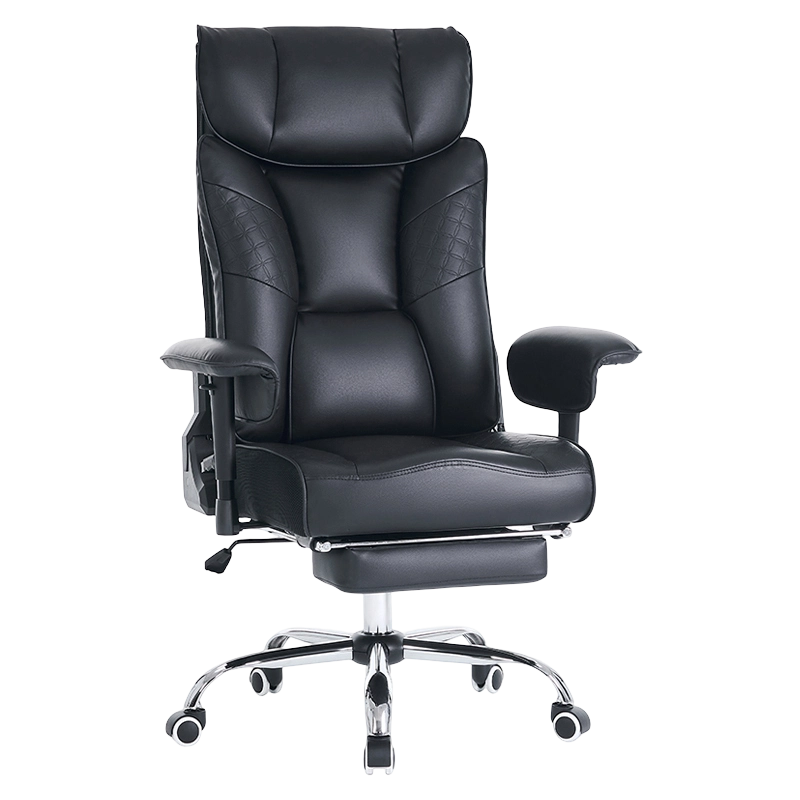
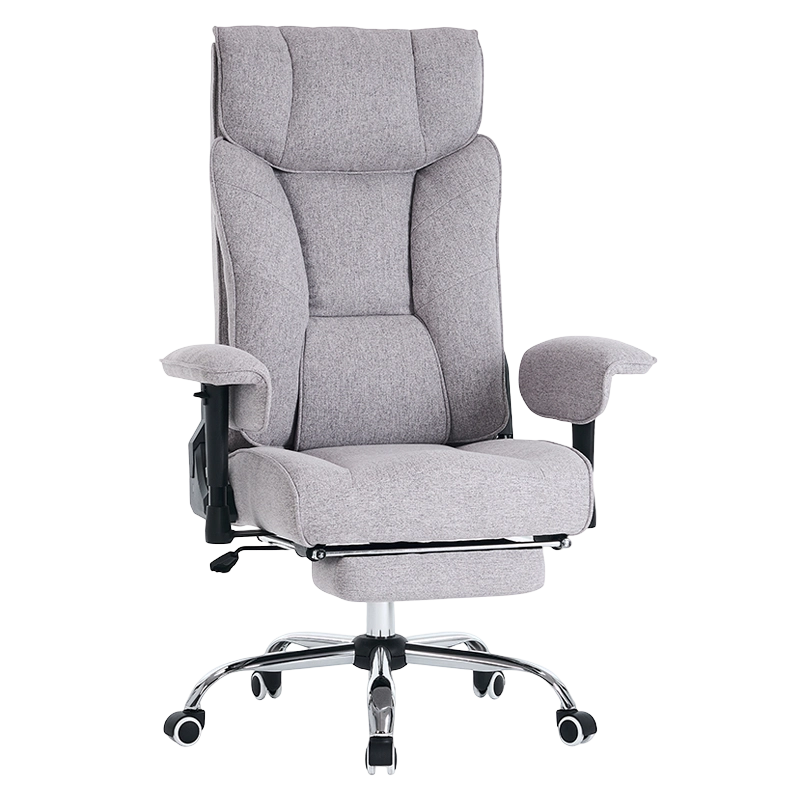
Material choice also defines the visual appeal of an accent chair. Designers often use texture, color, and pattern to create contrast or harmony in a room. For example, a leather accent chair can bring a modern, polished look, whereas a linen chair introduces a soft, relaxed feel.
When coordinating with existing décor, understanding the material’s sheen, texture, and colorfastness is crucial. Some materials, like velvet, provide a reflective sheen that adds depth, while matte fabrics offer understated elegance.
Material and Design Flexibility
Material selection affects design flexibility:
- Leather: Can be molded into sleek, minimalistic silhouettes.
- Velvet: Ideal for sculpted or tufted designs.
- Cotton & Linen Blends: Work well with casual, bohemian styles.
Maintenance and Longevity
Maintenance requirements vary significantly between materials. Leather requires occasional conditioning, while fabrics like cotton or linen may need regular vacuuming and spot cleaning. Synthetic fabrics often provide the easiest care, being resistant to stains and fading.
Proper maintenance not only extends the life of the chair but also preserves its aesthetic appeal. Users should balance ease of maintenance with design and comfort preferences when choosing accent chairs.
| Material | Cleaning Method | Frequency | Tips |
|---|---|---|---|
| Leather | Wipe with damp cloth, condition | Monthly | Avoid direct sunlight |
| Linen | Spot clean, professional wash | Weekly | Use fabric protectant spray |
| Velvet | Vacuum, gentle brushing | Weekly | Avoid water stains |
| Cotton | Machine wash removable covers | As needed | Use mild detergent |
| Polyester | Wipe clean or machine wash | Weekly | Avoid bleach |
| Wood Frame | Dust, polish with wood cleaner | Weekly | Prevent moisture exposure |
| Metal Frame | Wipe with damp cloth | Weekly | Use rust protection if needed |
Choosing the Right Material Based on Usage
The selection process should consider the room type and chair usage:
- High-Traffic Areas: Synthetic fabrics and leather are ideal due to durability and stain resistance.
- Decorative Pieces: Velvet and linen offer luxury and texture but are less practical for everyday use.
- Family-Friendly Spaces: Cotton blends and microfiber balance comfort, affordability, and durability.
- Long-Term Investment: Solid wood frames with quality upholstery ensure longevity.
Accent sofa chair manufacturers often consider these factors to optimize both design and functionality, offering a range of material options tailored to consumer needs.
Environmental Considerations
Increasingly, sustainable materials are influencing the furniture industry. Natural fibers, responsibly sourced wood, and eco-friendly synthetic fabrics contribute to environmental sustainability. Buyers are more conscious of material origins and their impact on both indoor air quality and the planet.
Practical Tips for Buyers
- Test Comfort: Sit on multiple chairs to assess cushioning and upholstery feel.
- Check Durability: Examine frame and joint construction.
- Evaluate Maintenance Needs: Consider lifestyle and willingness to maintain fabric.
- Match Style with Space: Ensure the material complements your existing décor.
- Consider Long-Term Use: Factor in wear patterns, climate, and family presence.
Conclusion
Material selection is a critical factor when choosing an accent chair. It influences comfort, durability, maintenance, and visual impact. Whether considering accent armchairs or accent sofa chairs, understanding the material’s properties ensures informed decisions, helping create a harmonious and long-lasting interior.
Investing time in evaluating materials and their compatibility with lifestyle and design preferences is key to making the of any accent chair purchase. By considering durability, aesthetics, and maintenance requirements, homeowners and designers can select chairs that not only look stunning but also stand the test of time.
FAQ
Q1: How do I choose between leather and fabric accent chairs?
Leather is durable, easy to clean, and ideal for high-traffic areas, whereas fabric offers more color and texture variety but requires more maintenance.
Q2: Are velvet accent chairs practical for everyday use?
Velvet provides luxurious texture but is suited for decorative or low-traffic spaces due to higher maintenance needs.
Q3: How important is the frame material in an accent chair?
Frame material is critical for durability and stability. Solid wood or metal frames generally last longer than particleboard.
Q4: Can I mix different materials for an accent chair?
Yes, combining materials like wooden legs with fabric upholstery is common and can enhance both style and functionality.
Q5: What maintenance is required for synthetic fabric chairs?
Synthetic fabrics are generally easy to maintain with regular wiping or vacuuming and occasional spot cleaning.



-
EMAIL
jacky@guyoufurniture.com
-
mobile
+86-15705723262
-
address
Baishuiwan Industry Zone, Tianhuangping Town, Anji County, Huzhou City, Zhejiang Province, China
CONTACT FORM
Copyright 2024 Anji Guyou Furniture Co., Ltd. Rights Reserved. Wholesale Furniture Chairs Suppliers
