

 Language
 English
 Français
 Español
 Deutsch
Ergonomics Explained: Why the Best Gaming Chair Can Boost Your Gaming Experience
2025-12-11
In the rapidly growing gaming industry, the environment in which players engage has become as crucial as the games themselves. While high-resolution monitors, mechanical keyboards, and powerful processors often dominate discussions, one element that is frequently underestimated is the gaming chair. More than just a seat, a high-quality gaming chair serves as an essential tool that can enhance performance, prevent discomfort, and contribute to long-term health. Understanding the ergonomic principles behind these chairs is key to recognizing why they can elevate the overall gaming experience.
Understanding Ergonomics in Gaming
Ergonomics is the study of designing equipment and devices that fit the human body, its movements, and cognitive abilities. For gamers, who often spend hours sitting in front of a screen, ergonomics is not a luxury—it is a necessity. Poor posture and prolonged sitting can a variety of health problems, including back pain, neck strain, and reduced circulation. A gaming chair designed with ergonomic principles addresses these issues by providing structured support and encouraging healthy posture.
The Role of Posture Support
Posture support is one of the fundamental aspects of an ergonomic gaming chair. These chairs are engineered to align the spine naturally, maintaining the S-shaped curve of the back. By supporting the lower back and encouraging a neutral spine position, a gaming chair reduces the risk of developing chronic back problems.
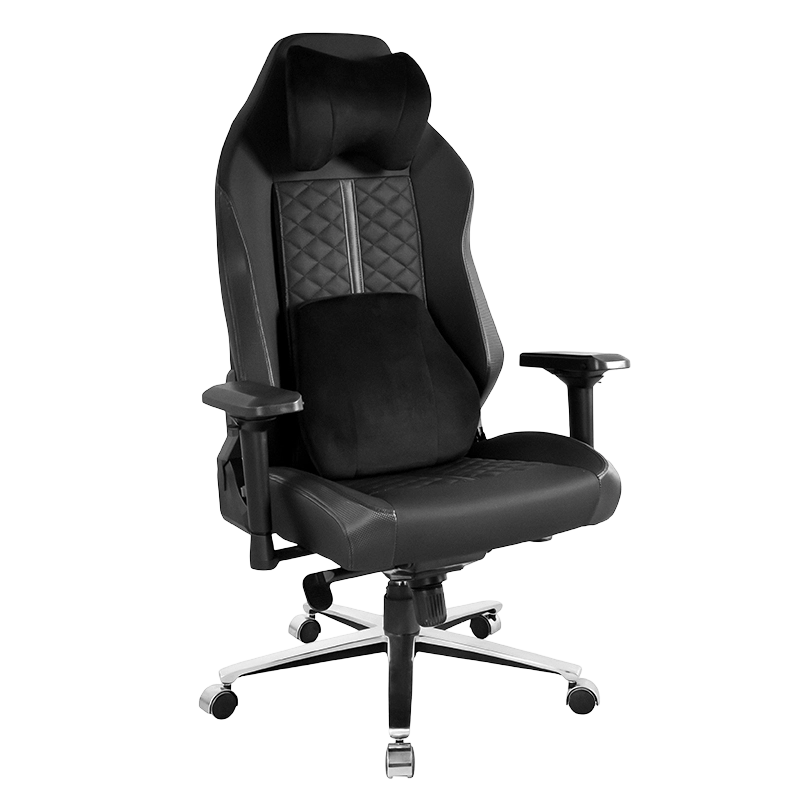
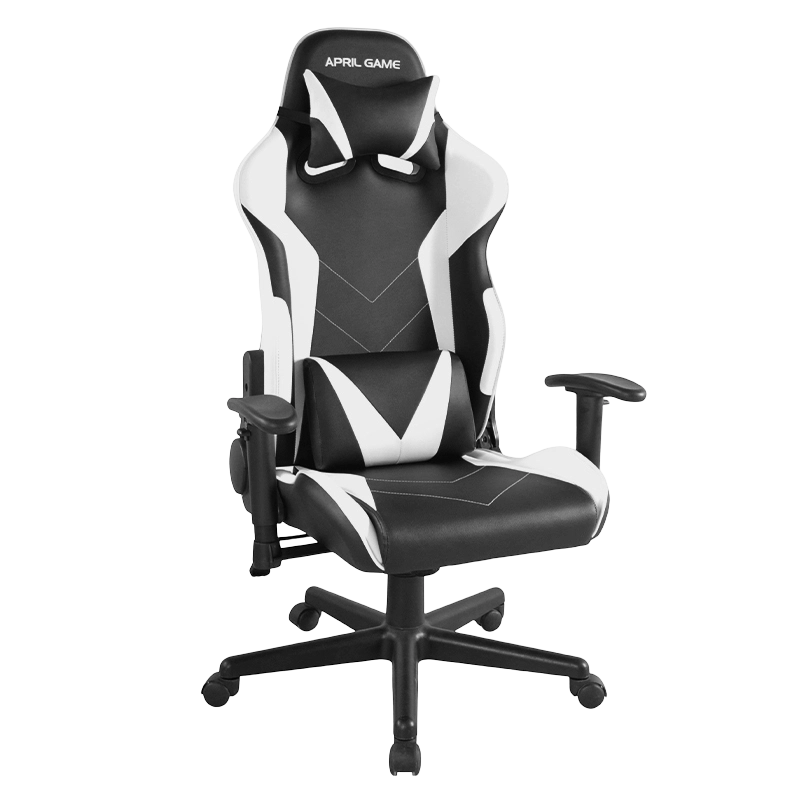
A well-designed gaming chair typically features:
| Feature | Purpose |
|---|---|
| Lumbar Support | Supports the lower back, reducing strain during extended gaming sessions |
| Adjustable Headrest | Aligns the neck and upper spine to prevent neck stiffness |
| Seat Cushioning | Provides comfort while evenly distributing body weight |
| Tilt and Recline | Allows dynamic posture changes to prevent stiffness |
| Armrest Adjustments | Supports forearms and reduces shoulder tension |
Each of these components contributes to a healthier, more comfortable gaming position, demonstrating that a gaming chair is more than just a luxury item—it is an essential piece of ergonomic furniture for serious players.
Why Comfort Matters More Than Ever
The gaming community is no longer limited to casual play. Competitive gaming and professional esports demand long hours of focus, often exceeding six to eight hours a day. During such sessions, discomfort can directly impact performance. Distractions caused by poor seating posture or soreness may reduce reaction time, hinder decision-making, and ultimately affect in-game outcomes.
A gaming chair addresses these issues through several design features:
- High-Density Foam: Prevents the seat from flattening over time, ensuring consistent support.
- Adjustable Recline Angles: Enables relaxation between intense gaming moments.
- Contoured Backrest: Reduces pressure on the spine and encourages proper posture.
- Breathable Materials: Regulate temperature and prevent sweat buildup during long sessions.
By prioritizing comfort alongside ergonomics, the gaming chair helps players maintain peak performance without sacrificing health.
Enhancing Gaming Performance Through Design
The design of a gaming chair is not solely about comfort; it is strategically crafted to enhance gaming performance. Subtle features can reduce fatigue, improve focus, and even refine motor responses. For example, adjustable armrests allow users to position their arms at the height for mouse and keyboard use, reducing strain on shoulders and wrists. Similarly, a reclining backrest can support micro-breaks that prevent mental fatigue, allowing gamers to maintain high levels of concentration.
| Design Element | Gaming Benefit |
|---|---|
| Armrest Height | Optimizes hand positioning for precise mouse and keyboard control |
| Tilt Mechanism | Encourages micro-movements to reduce stiffness and maintain alertness |
| Contoured Seat | Enhances stability and supports prolonged focused gaming |
| Headrest Alignment | Minimizes neck fatigue and promotes steady visual focus |
The integration of ergonomic design with performance-oriented features exemplifies how a gaming chair serves a dual purpose: health preservation and skill enhancement.
Long-Term Health Benefits
While immediate comfort is appealing, the long-term health benefits of a quality gaming chair are equally significant. Extended gaming sessions without proper support can musculoskeletal disorders, chronic back pain, and even repetitive strain injuries. An ergonomic gaming chair mitigates these risks by distributing weight evenly, supporting spinal alignment, and encouraging movement.
Additionally, chairs designed with adjustable features allow users to tailor the seating experience to their specific body type. This adaptability is crucial because no two players are identical in height, weight, or posture needs. A customizable gaming chair ensures that each user receives personalized support, which is key to sustaining both comfort and health over time.
Additional Health Advantages
| Health Aspect | Benefit Provided by Gaming Chair |
|---|---|
| Circulation | Proper seat height and padding reduce pressure on thighs, enhancing blood flow |
| Spine Health | Lumbar support and recline options maintain spinal curvature |
| Muscle Fatigue | Contoured cushions and adjustable armrests relieve tension in shoulders and neck |
| Mental Well-Being | Comfort and stability reduce stress and improve concentration |
These advantages demonstrate that investing in a gaming chair is not simply about luxury—it is a proactive approach to long-term well-being for avid gamers.
Choosing the Right Gaming Chair
Selecting the right gaming chair involves more than aesthetic preference. Prospective buyers should consider several factors:
- Ergonomic Design: Ensure the chair offers lumbar support, headrest adjustment, and a contoured seat.
- Material Quality: Durable, breathable materials improve comfort and longevity.
- Adjustability: Look for chairs that allow seat height, armrest, and recline modifications.
- Build Stability: A robust frame prevents wobbling and supports weight evenly.
- Comfort Features: Extra cushioning or memory foam enhances prolonged sitting comfort.
These considerations help ensure that the chair delivers both performance enhancement and health benefits, ultimately providing a more enjoyable gaming experience.
Conclusion
The gaming chair has evolved from a simple seating solution into a critical piece of gaming equipment. By combining ergonomic design, adjustable features, and comfort-oriented materials, these chairs support posture, reduce fatigue, and enhance focus. For gamers seeking to maximize performance and safeguard long-term health, investing in a high-quality gaming chair is a decision grounded in both science and practicality.
FAQ
Q1: How does a gaming chair improve posture?
A: A gaming chair provides lumbar support, adjustable headrests, and contoured seating that align the spine naturally, promoting a healthy posture during long gaming sessions.
Q2: Can a gaming chair help prevent back pain?
A: Yes, ergonomic chairs distribute weight evenly and support spinal alignment, reducing strain on the back muscles and preventing chronic pain.
Q3: Are adjustable features important in a gaming chair?
A: Absolutely. Adjustable seat height, armrests, and recline angles allow users to customize the chair to their body type, ensuring comfort and support.
Q4: Does material quality affect gaming chair performance?
A: Yes. High-density foam, breathable fabrics, and durable construction enhance comfort, longevity, and temperature regulation during extended gaming sessions.
Q5: How long can I use a gaming chair safely each day?
A: With proper posture and ergonomic support, users can comfortably sit for several hours. Taking short breaks every 60–90 minutes further improves circulation and reduces fatigue.




-
EMAIL
jacky@guyoufurniture.com
-
mobile
+86-15705723262
-
address
Baishuiwan Industry Zone, Tianhuangping Town, Anji County, Huzhou City, Zhejiang Province, China
CONTACT FORM
Copyright 2024 Anji Guyou Furniture Co., Ltd. Rights Reserved. Wholesale Furniture Chairs Suppliers
