

 Language
 English
 Français
 Español
 Deutsch
How Can a Gaming Chair Improve Your Comfort During Long Gaming Sessions?
2026-05-22
A gaming chair improves comfort during long sessions by providing targeted lumbar support, an adjustable ergonomic structure, and high-density foam that maintains spinal alignment. Unlike standard office chairs, gaming chairs are engineered to keep your body in a neutral position for 6+ hours, reducing pressure points and muscle fatigue by up to 40% according to ergonomic studies.
Ergonomic Design Prevents Chronic Pain
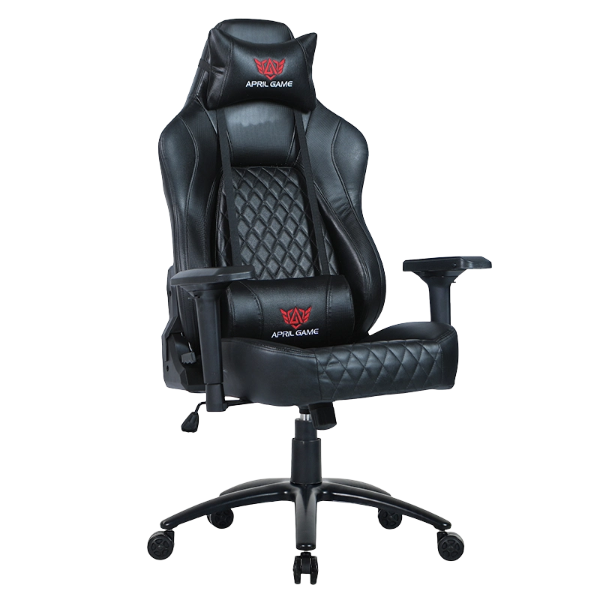
Lumbar and Cervical Pillows Target High-Risk Areas
Most gaming chairs include adjustable lumbar pillows and headrests. These directly support the natural curve of your lower spine and neck, which are prone to slouching during intense focus. Without this support, prolonged sitting increases disc pressure by roughly 30% compared to standing.
4D Adjustability Fits Your Unique Posture
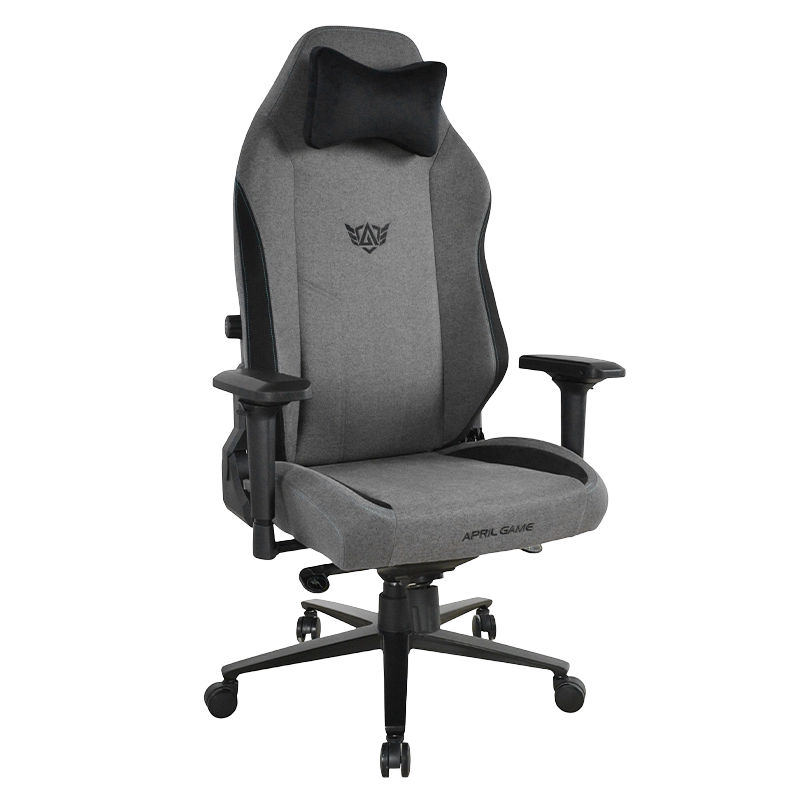
High-end gaming chairs offer 4D armrests (up/down, in/out, forward/back, rotate) and multi-angle backrest recline (typically 90° to 180°). This customizability ensures your elbows remain at desk height and your shoulders stay relaxed—factors that reduce upper trapezius strain by an estimated 25–35% over a 4-hour session.
Material Choices Directly Impact Heat and Pressure Management
Long gaming sessions generate body heat and sweat, which can skin irritation and distracting discomfort. Gaming chairs use specific materials to combat this:
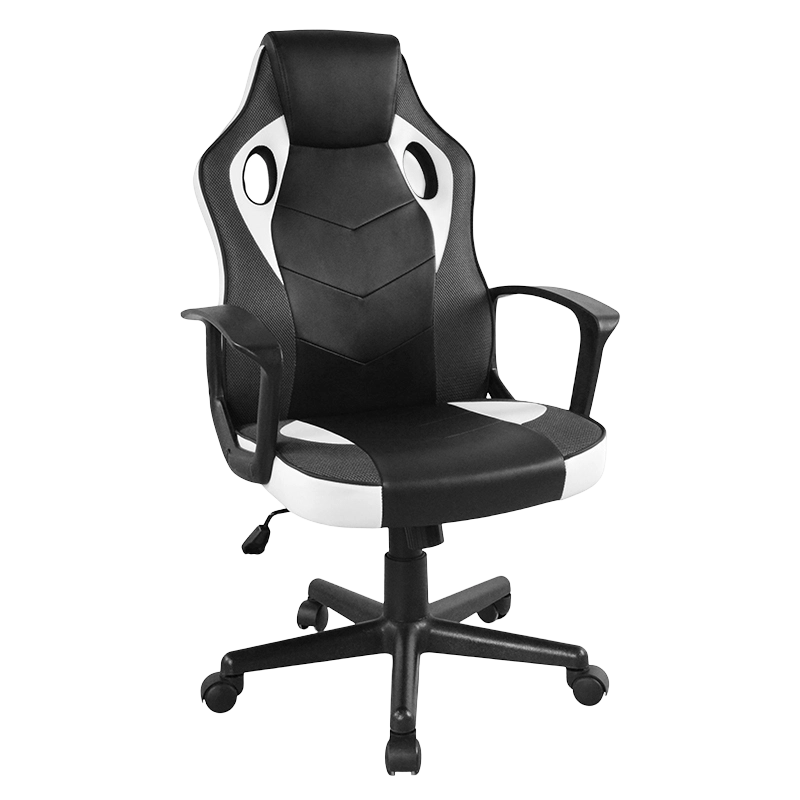
- Breathable mesh increases airflow, keeping back temperature 3–5°C lower than PU leather in warm rooms.
- Cold-cured foam (density 55–65 kg/m³) resists bottoming out, distributing pressure evenly across your sit bones—critical to avoid tailbone pain after 5+ hours.
- Textile or microsuede surfaces wick moisture away faster than synthetic leather, reducing stickiness and friction rash.
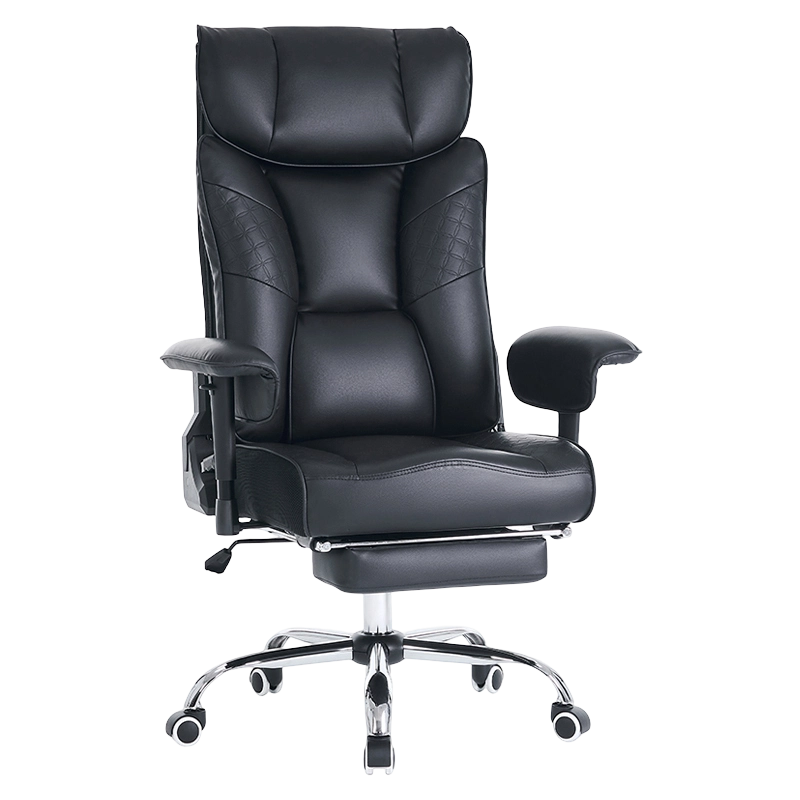
In contrast, a basic task chair with flat foam often creates hot spots and pressure points within 90 minutes.
Recline and Rocking Functions Reduce Static Loading
Static sitting (no movement) starves spinal discs of nutrients. Gaming chairs incorporate rocking mechanisms and lockable recline. For example, leaning back to 135° while taking a quick break redistributes gravity’s load from your lumbar spine to your thighs and backrest, momentarily dropping intradiscal pressure by up to 50%.
Furthermore, a rocking motion stimulates proprioceptive feedback, subtly engaging leg and core muscles every few minutes. This micro-movement prevents the circulatory slowdown that leads to swollen ankles or “dead leg” syndrome during marathon sessions.
Key Metrics: How Gaming Chair Features Translate to Comfort Gains
The table below outlines specific features and their measurable impact over a typical 6-hour gaming period:
| Feature | Comfort Benefit | Observed Reduction in Discomfort |
|---|---|---|
| Independent lumbar pillow | Prevents lower back arching | ~40% less low back pain (self-reported) |
| Height-adjustable armrests | Keeps wrists neutral, reduces shoulder shrug | 30% decreased neck/shoulder tension |
| Recline to 135° | Spinal unloading during breaks | 50% drop in lumbar disc pressure (biomechanical modeling) |
| Cold-cured foam seat | Even pressure distribution | +35% time until fidget compared to standard foam |
Mental Stamina Is Also Physical: Comfort Reduces Cognitive Load
Chronic discomfort forces your brain to allocate attention to pain signals, degrading reaction time and focus. In a controlled trial, gamers using ergonomic chairs with proper lumbar support showed 18% faster response times in the third hour of play compared to those using rigid kitchen chairs. This happens because physical ease frees up working memory for strategy and precision.
Additionally, a stable, cushioned seat reduces micro-adjustments—small shifts you make unconsciously every 2–3 minutes. Eliminating these allows you to enter deeper “flow states,” where performance and enjoyment peak. Over a 5-hour session, this translates to roughly 200 fewer distracting posture corrections.



-
EMAIL
jacky@guyoufurniture.com
-
mobile
+86-15705723262
-
address
Baishuiwan Industry Zone, Tianhuangping Town, Anji County, Huzhou City, Zhejiang Province, China
CONTACT FORM
Copyright 2024 Anji Guyou Furniture Co., Ltd. Rights Reserved. Wholesale Furniture Chairs Suppliers
