

 Language
 English
 Français
 Español
 Deutsch
Gaming Chair vs Office Chair for Teens: Which One Supports Growing Bodies Best?
2026-09-17
For a teenager, a chair is more than furniture. It is the surface under online classes, homework, gaming marathons, video calls, and creative projects. Parents and teens shopping for a new seat often narrow the choice down to two categories: gaming chairs and office chairs. Both promise comfort, but they approach it from different angles. This guide compares them on the factors that matter most for growing bodies: lumbar support, adjustability, materials, size fit, and long-term value.
Before comparing specific models, it helps to understand that the two categories were designed for different jobs. An office chair is built to keep a person productive at a desk for hours. A gaming chair is built around the posture and aesthetic of competitive play. When the user is a teenager, both jobs may happen in the same room, sometimes on the same day.
What Defines a Gaming Chair vs an Office Chair?
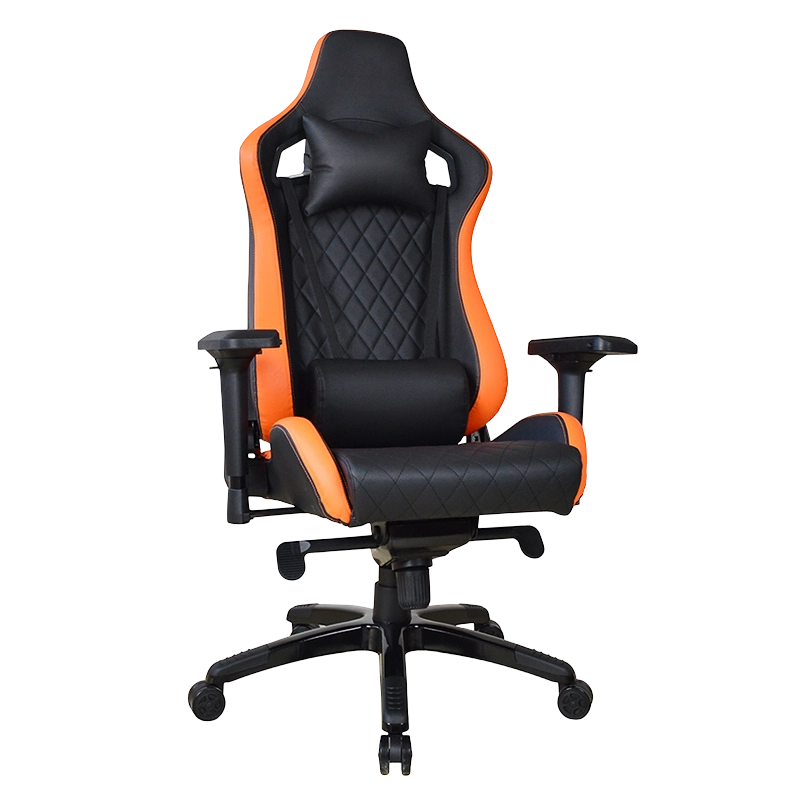
Gaming chairs take visual cues from racing car seats. They usually have a high backrest, pronounced side bolsters, a separate headrest pillow, and a lumbar cushion. The firm foam, bucket-style seat, and aggressive recline range are designed for long, entertainment-focused sessions where the user stays relatively fixed in one position.
Office chairs, by contrast, are designed around task performance. They tend to have a taller, straighter back structure, breathable mesh or fabric upholstery, synchronized tilt mechanisms, and adjustable lumbar support built into the backrest. Their neutral styling helps them disappear into a workspace, but the engineering focus is on supporting natural sitting posture and encouraging micro-movement.
| Design Element | Gaming Chair | Office Chair |
|---|---|---|
| Backrest height | High, racing style | Medium to high |
| Lumbar support | External pillow | Integrated adjustable |
| Headrest | Separate pillow | Optional adjustable |
| Seat shape | Bucket style | Flat to slightly contoured |
| Recline range | 90 to 170 degrees | 90 to 130 degrees |
| Armrests | 2D to 5D | 2D to 4D |
| Base materials | Steel or nylon | Chrome, aluminum, nylon |
The table above shows the average pattern, not a hard rule. Many modern chairs blur the line. There are gaming chairs with mesh backrests and office chairs with racing-style silhouettes, but understanding the original design intent makes it easier to judge a specific product.
Body Support and Ergonomics for Growing Teens
Teenagers are not miniature adults. Their spines are still developing, and their sitting habits change rapidly as they grow. A chair that fits a 14-year-old may feel cramped by the time they turn 16, so the support system must be adjustable in the areas that matter most.
Lumbar Support
The lower back carries the most load during seated work. Gaming chairs typically rely on a detachable lumbar pillow. This can work well, but the pillow sits in a fixed position and may slide down or press too hard if the seat is too deep. Office chairs with integrated lumbar support allow the curve to be raised, lowered, or deepened with a lever. For a teen whose torso length changes every few months, an adjustable built-in lumbar system is more forgiving.
Head and Neck Support
Neck strain appears when the headrest sits behind the shoulder blades instead of supporting the natural curve of the neck. A gaming chair headrest pillow can be helpful for a taller teen who leans back during breaks, but it may push the head forward for shorter users. An office chair with a height-adjustable headrest offers finer positioning, and some models let you remove the headrest entirely until the teen is tall enough.
Seat Depth and Pressure Distribution
Seat depth is often overlooked. When a teen sits all the way back, there should be a gap of two to three fingers between the back of the knee and the front edge of the seat. If the seat is too deep, the edge presses into the back of the legs and restricts circulation. Gaming chairs with bucket seats can be especially problematic for shorter teens because the raised side bolsters reduce usable seat width. Office chairs with depth adjustment or a shorter standard depth fit a wider range of body sizes.
Adjustability Range: Which Chair Grows With a Teenager?
Adjustability is the single strongest predictor of whether a chair will still fit in two years. The most important adjustments are seat height, backrest angle, armrest height, and lumbar position.
- Seat height range: Look for a range that lets the teen sit with feet flat on the floor and thighs parallel to the ground. A typical gas lift ranges from 45 to 55 cm; shorter teens may need a range starting at 42 cm.
- Backrest angle lock: Gaming chairs usually offer a wider recline with a lock at any angle. Office chairs often use a synchronous tilt that moves the seat and backrest together, which keeps the hips open when reclining. For study posture, a lock at a slight recline, about 100 degrees, is more useful than a full flat position.
- Armrest adjustments: 3D armrests move up and down, forward and backward, and rotate. 4D armrests add width adjustment. For teens who switch between typing, reading, and gaming, armrests that support elbows without lifting the shoulders are essential. Fixed armrests are a common source of shoulder pain in both chair types.
- Lumbar depth control: Some chairs let you push the lumbar support closer to or farther from the lower back. This is valuable when a teen switches between a thick hoodie in winter and a thin t-shirt in summer.
| Adjustment | Typical Gaming Chair | Typical Office Chair |
|---|---|---|
| Seat height | Yes | Yes |
| Backrest angle | 90 to 170 degrees | 90 to 130 degrees |
| Armrest level | 2D to 5D | 2D to 4D |
| Lumbar position | Pillow, fixed | Sliding or lever |
| Seat depth | Rare | Some models |
| Tilt tension | Usually fixed | Adjustable |
A general rule is to prioritize chairs that offer more adjustment points, even if the range is smaller, because precise positioning matters more than an impressive maximum recline.
Materials, Climate, and Everyday Durability
Teens eat snacks at the desk, spill drinks during gaming sessions, and sometimes fall asleep in their chairs. The upholstery has to survive daily life.
Gaming chairs commonly use polyurethane leather, which wipes clean easily and looks bold in a bedroom setup. However, PU leather traps heat and may crack after a few years, especially in warm or dry climates. Breathable mesh office chairs allow air to circulate around the back, reducing sweat buildup during long study sessions. The tradeoff is that mesh is harder to clean when something spills through the openings.
Fabric upholstery sits between the two. It is softer in winter, more breathable than PU leather, and available in a wider color range, but it absorbs odors and requires regular vacuuming.
Check the base and casters as well. Nylon bases are light and affordable; steel and aluminum bases are sturdier for heavier users. Hard floor casters protect wood and tile, while soft casters grip carpets better. A chair rated for a lower maximum weight may wobble as a teen grows, so look for a weight capacity at least 10 kg above the teen's current weight.
Long Study Sessions vs Long Gaming Sessions
A teenager's sitting day often stretches beyond eight hours when school time is included. The chair that works best for focused study is not automatically the best chair for a three-hour gaming session, because the body position changes.
Studying favors an upright torso, forearms supported at desk height, and feet planted. A task-oriented office chair with a synchronized tilt keeps the spine aligned while the teen leans forward to read or type. Gaming favors a slightly reclined torso, shoulders relaxed, and the screen positioned at eye level. The wider recline of a gaming chair supports a more casual posture, but only if the headrest and lumbar pillow happen to line up with the teen's body.
Movement is part of healthy sitting. Ergonomic guidelines recommend changing posture every 45 to 60 minutes, whether that means leaning back, shifting forward, or standing up. A chair that allows rocking or tilting encourages micro-movement; a chair that locks the body into one rigid position increases fatigue. Both gaming and office chairs can support movement if they have a smooth tilt mechanism with adjustable tension.
Sizing the Chair to the Teen's Body
Size matching is where many purchases go wrong. Parents often buy a full-size gaming chair so the teen can grow into it, but a chair that is too large provides no support at the moment it is needed. A 150 cm tall teen sitting in a chair designed for a 190 cm adult will have dangling legs, a lumbar pillow pressing on the middle of the back, and a headrest that pushes the head forward.
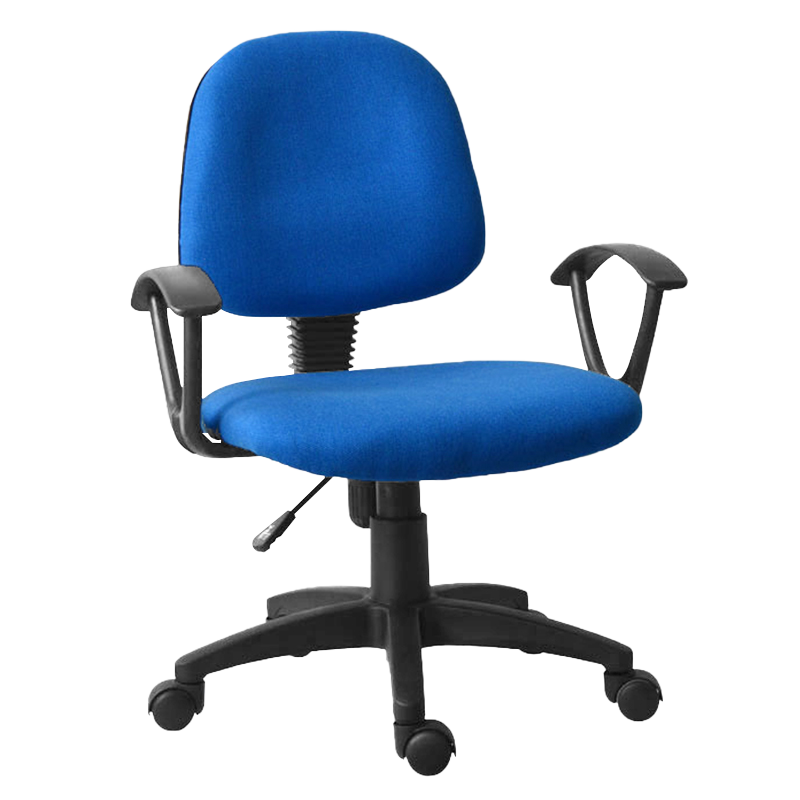
Measure three things before buying: backrest height, seat width, and seat depth. The backrest should reach at least the shoulder blades, not necessarily the top of the head. The seat should be wide enough to allow weight changes but not so wide that the armrests sit far from the body. For most teens between 140 and 170 cm tall, the ideal seat height range is roughly 42 to 48 cm from the floor. For teens in the lower half of that range, a kids gaming chair or a compact office chair often fits better than a full-size racing model.
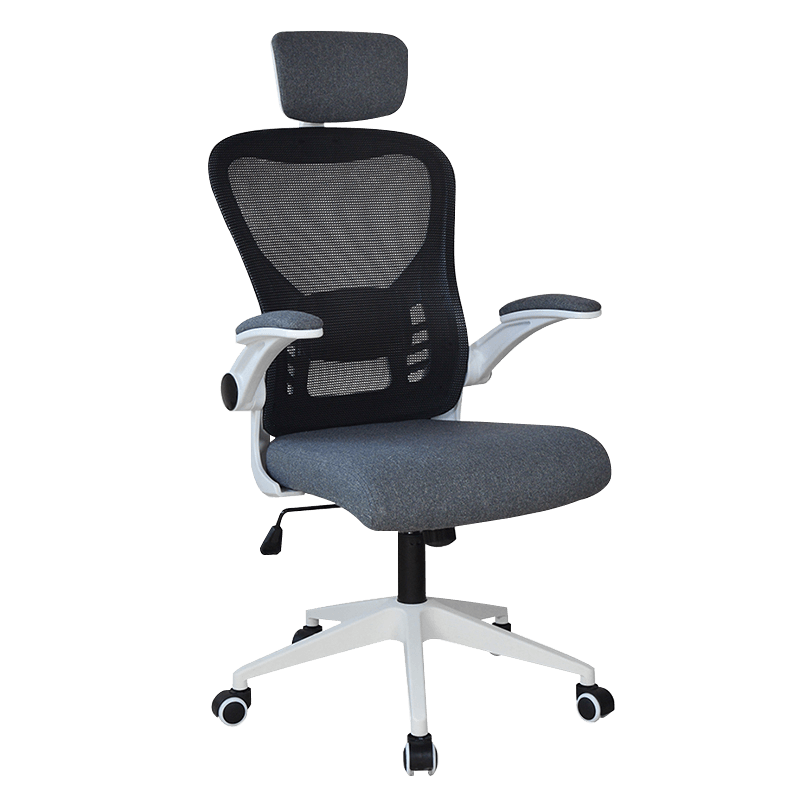
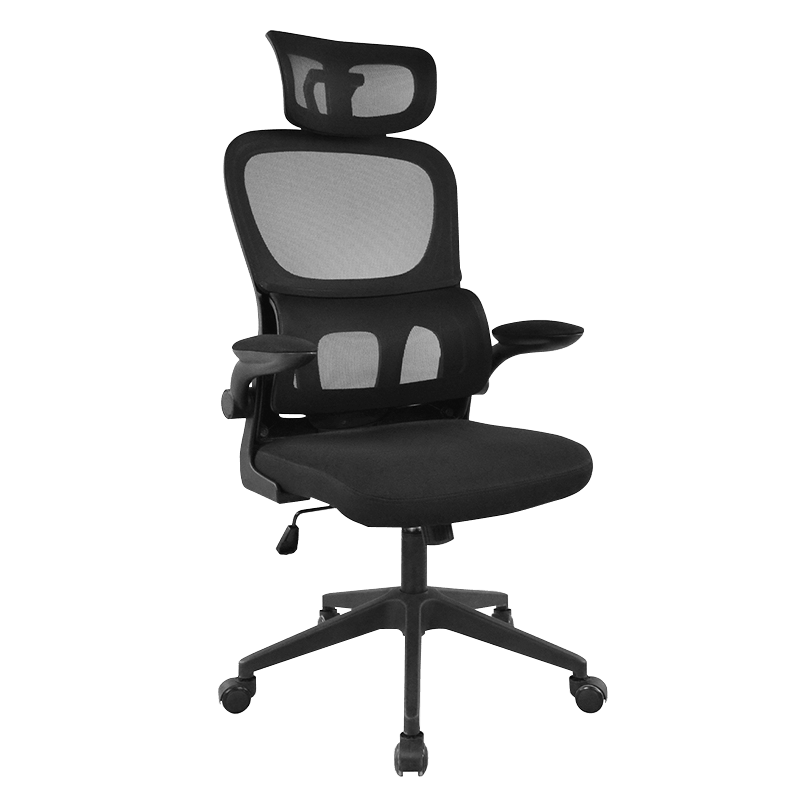
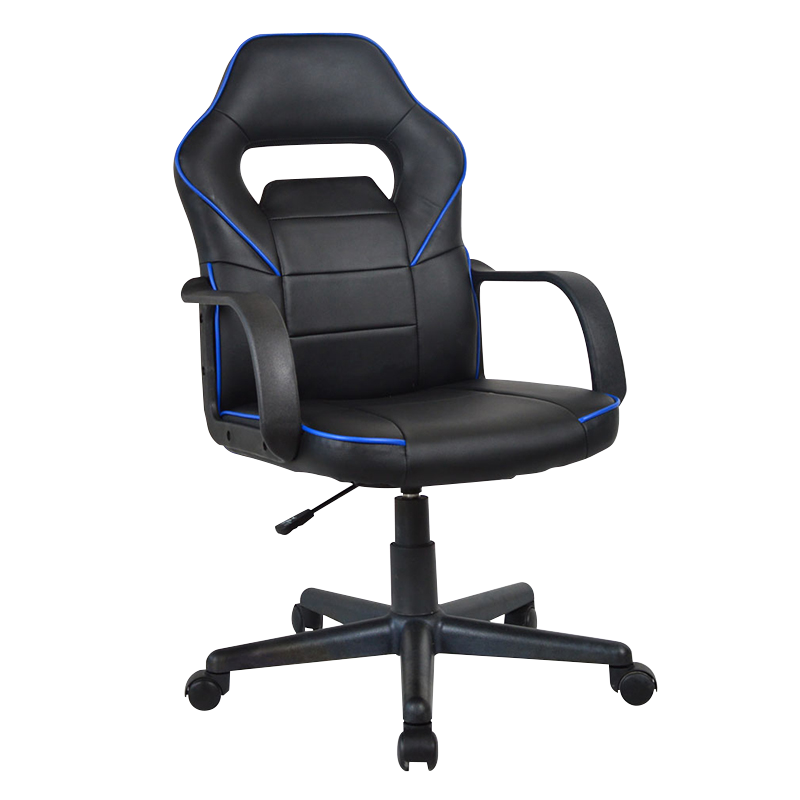 Adjustable Swivel Armrest Gaming Chair with PP FrameThis chair’s adjustable armrests and 360-degree swivel suit teens who shift between study and play, while the durable PP material offers a practical fit for growing users needing a wide seat range.View Product →
Weight capacity also matters. Standard task chairs carry 100 to 120 kg, while heavier-duty models go up to 150 kg or more. A teen who is still growing should have a chair with a comfortable safety margin, because the frame endures dynamic forces when the user leans, swivels, and changes position quickly.
Can One Chair Cover Both School and Play?
The short answer is yes, but only when the chair combines the right features. The category loosely called gaming office chairs tries to do exactly this. These chairs keep the high backrest and visual style that teens like, while adding the ergonomic elements of an office chair: adjustable lumbar support, breathable upholstery, flip-up armrests, and a tilt mechanism with locking positions.
Flip-up armrests are especially practical for a shared room. They let the chair slide completely under a desk, freeing floor space and making it easier to switch from keyboard work to a controller held in the lap. A gaming office chair with adjustable height and reclining backrest is a common middle ground: the teen gets the recline range for relaxation, while the height range keeps feet flat during study hours.
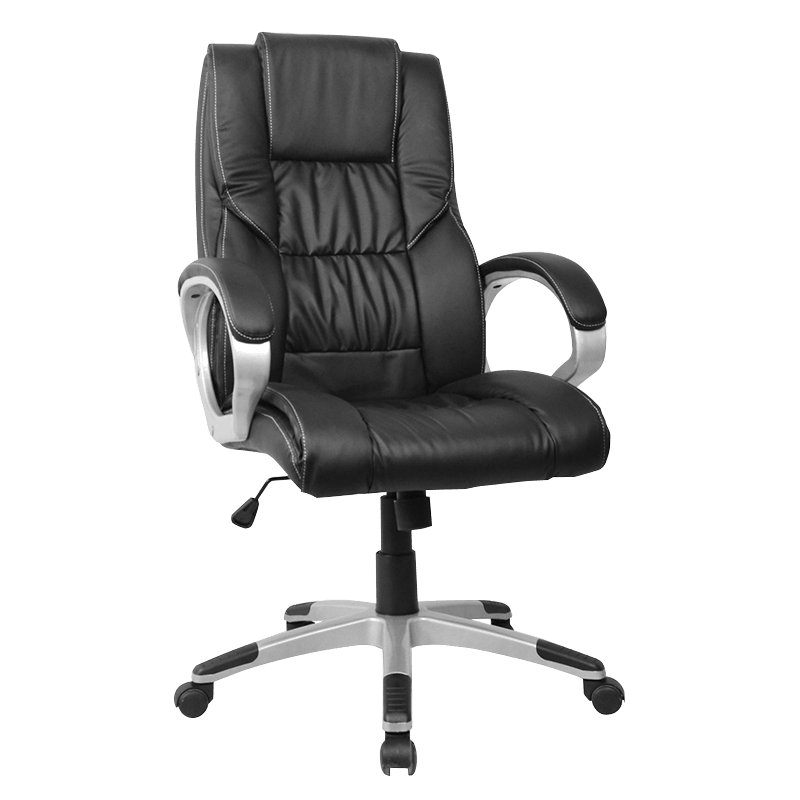
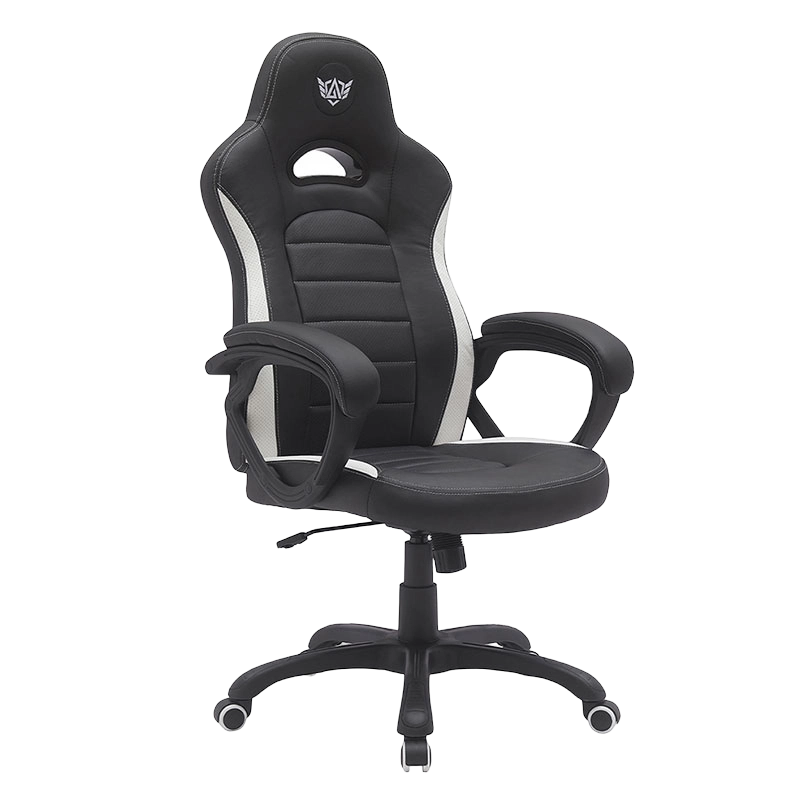 Ergonomic PU Leather Desk Chair with Adjustable HeightIdeal for shared rooms, this chair combines a locking-tilt recline and easy height adjustment, making it a versatile hybrid for study sessions and relaxation while fitting neatly under a desk.View Product →
If the room runs hot, look for a breathable mesh version of the gaming-office hybrid. Cooling gel seat inserts are another useful feature for long sessions, because they prevent heat buildup without sacrificing the firm support teens need.
Price, Warranty, and Long-Term Value
Price differences between the two categories have narrowed. Entry-level gaming chairs and basic office chairs sit in a similar range, while high-end versions of both can exceed the budget of most families. The value question is not about the price tag alone; it is about how long the chair fits and keeps working.
A chair with a gas lift that fails after a year has zero value regardless of how comfortable it felt on day one. Buy from a source that is transparent about the mechanism: the class of gas lift, the type of tilt mechanism, the density of the foam, and the warranty on moving parts. For a teen who will use the chair daily for five or more years, a mid-range chair with a solid base, replaceable casters, and a three-year mechanism warranty is usually a better investment than a cheap chair replaced every two years.
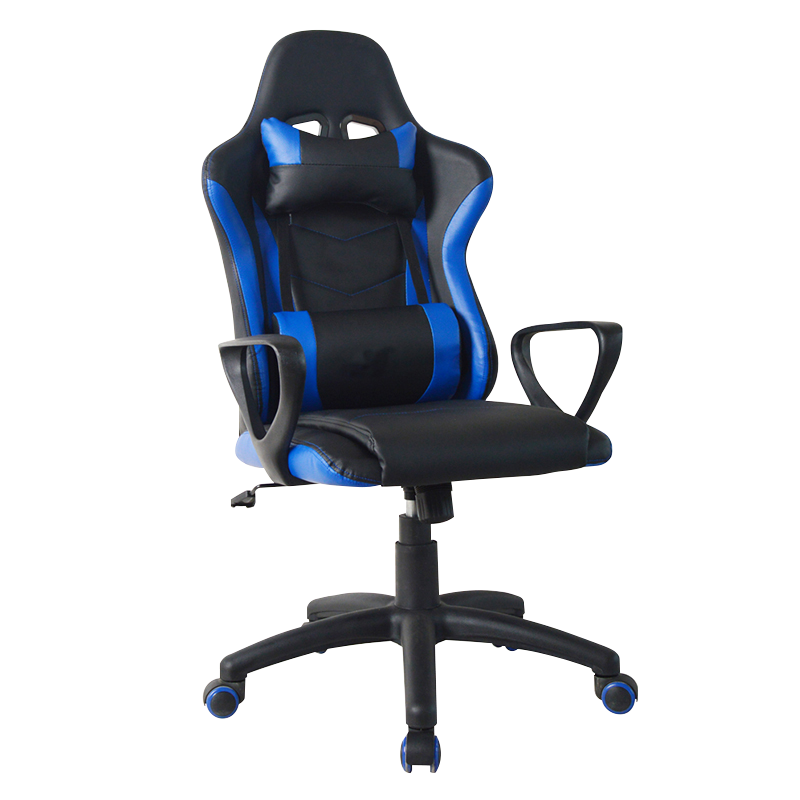 Economical Faux Leather Gaming Chair with Thick PaddingBuilt with sturdy metal parts and breathable faux leather, this budget-friendly chair offers long-lasting comfort and easy cleaning, making it a dependable pick for daily use by a teen.View Product →
Maintenance is part of long-term value. PU leather needs periodic conditioning, mesh needs dusting, and all casters need hair and lint removed regularly to roll smoothly. The easiest chair to maintain is one with accessible parts and simple upholstery.
How to Choose: A Simple Decision Framework
Use this sequence to narrow the choice to one chair model.
- Measure the teen's seated height, seat depth need, and leg length.
- Confirm the chair's minimum seat height is low enough for feet to reach the floor.
- Decide whether air flow or easy cleaning matters more in your climate.
- Check armrest adjustability: 3D or 4D is strongly preferred.
- Choose a recline range based on primary use: study favors a lock near 100 degrees; gaming favors a wider range.
- Verify the weight capacity leaves a 10 kg safety margin.
- Confirm replacement parts and warranty before paying.
The framework above works for both categories. If the teen's daily schedule is split evenly between schoolwork and gaming, the kids gaming chair with adjustable lumbar support and footrest is worth evaluating because it combines compact dimensions with the support details that usually appear only on adult models.
Frequently Asked Questions
Q1: Can a teen use a gaming chair for online classes?
Yes, if the chair has enough adjustability. The key is to set the seat height so the feet rest flat on the floor, position the lumbar support at the natural curve of the lower back, and raise the armrests to desk height. A gaming chair without adjustable lumbar or armrests can cause shoulder and neck fatigue during long classes.
Q2: What seat height range should I look for in a teen chair?
Look for a minimum seat height of 42 to 45 cm from the floor. Most standard chairs start around 46 cm, which is too high for teens under 160 cm. A kids chair or a compact home office chair with a lower starting point is often a better fit.
Q3: Are mesh office chairs better than PU leather gaming chairs?
Mesh wins when the room is warm or the teen sweats easily, because it allows air to circulate. PU leather is easier to wipe clean and suits cool rooms, but it can crack over time. Fabric sits between the two but absorbs odors and needs more maintenance.
Q4: How long should a quality chair last for a teen user?
A well-built chair used four to six hours per day should last five to eight years. The gas lift, tilt mechanism, and casters are the parts most likely to wear out first. Choosing a model with replaceable parts extends the useful life significantly.
Q5: When is the right time to buy a new chair for a growing teen?
Upgrade when the teen's knees hit the edge of the seat, the headrest presses the neck forward, or the feet no longer reach the floor at the seat's lowest setting. These signs mean the chair has stopped fitting, even if the frame is still in good condition.



-
EMAIL
jacky@guyoufurniture.com
-
mobile
+86-15705723262
-
address
Baishuiwan Industry Zone, Tianhuangping Town, Anji County, Huzhou City, Zhejiang Province, China
CONTACT FORM
Copyright 2024 Anji Guyou Furniture Co., Ltd. Rights Reserved. Wholesale Furniture Chairs Suppliers
