

 Language
 English
 Français
 Español
 Deutsch
Executive Office Chair: A Buyer's Guide for Offices
2026-07-24
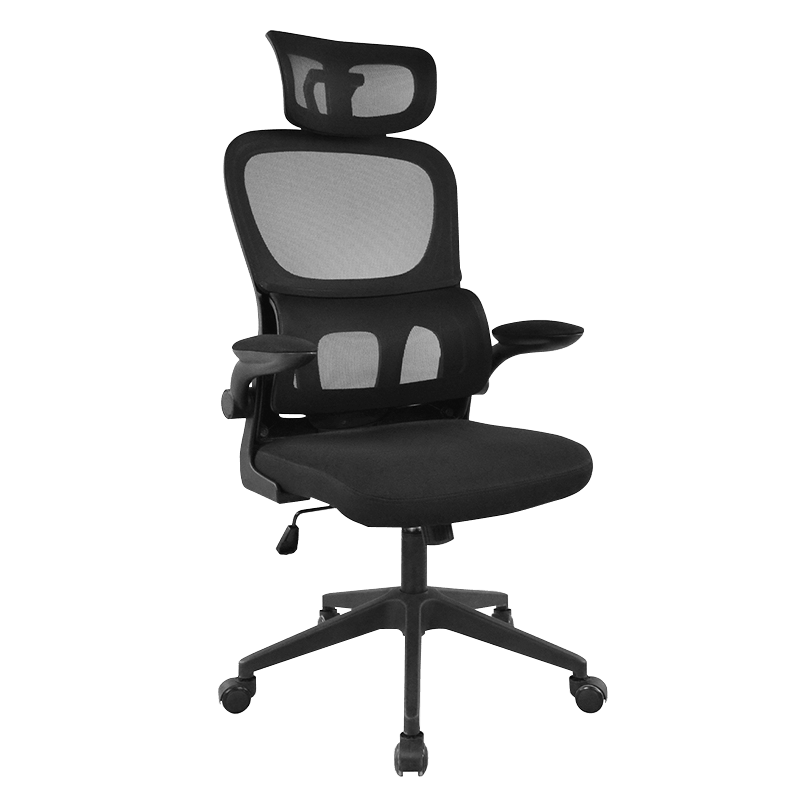
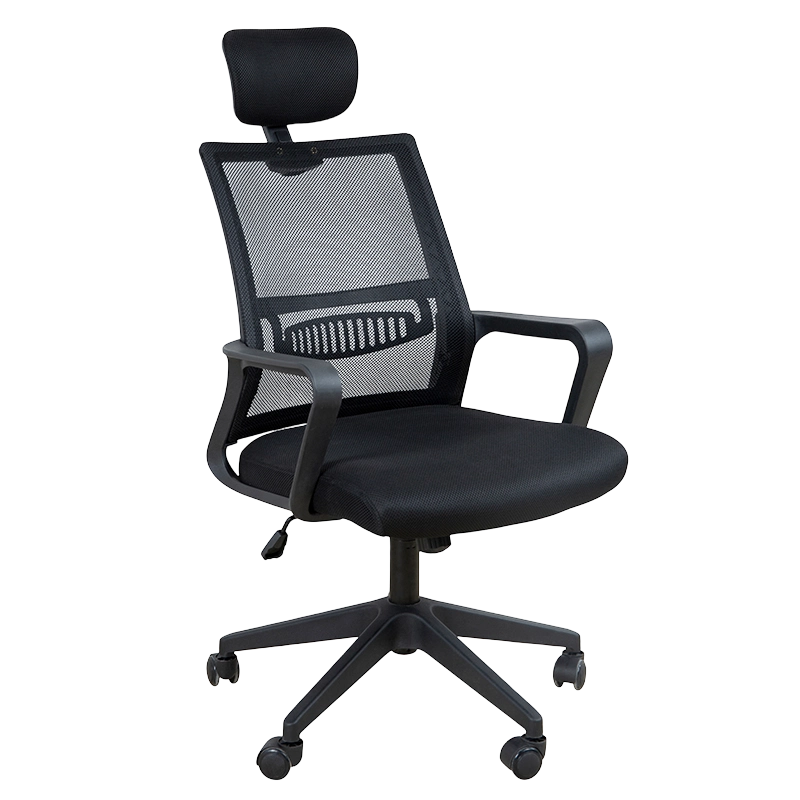
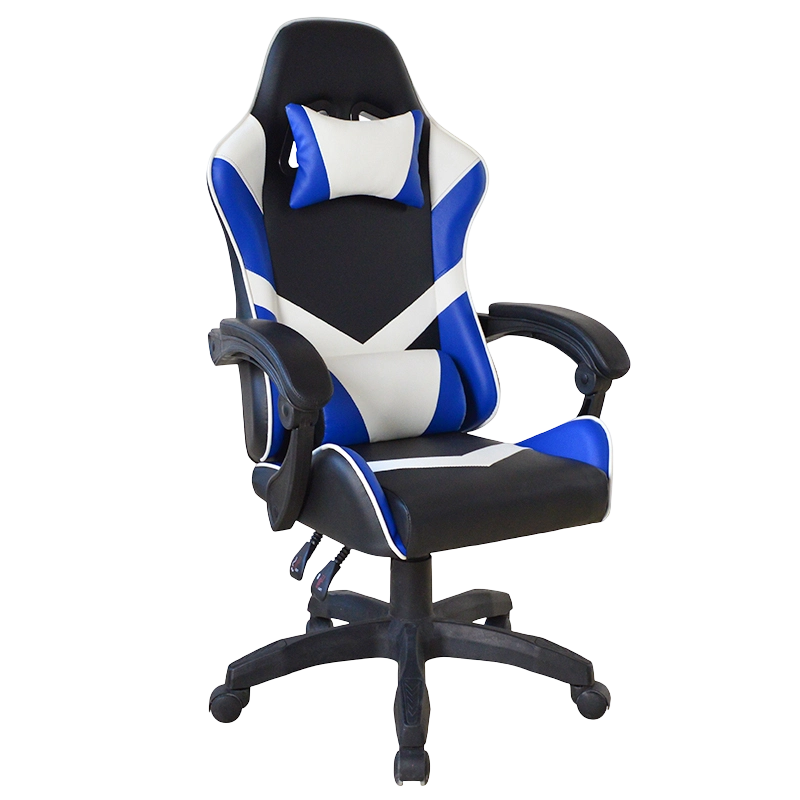
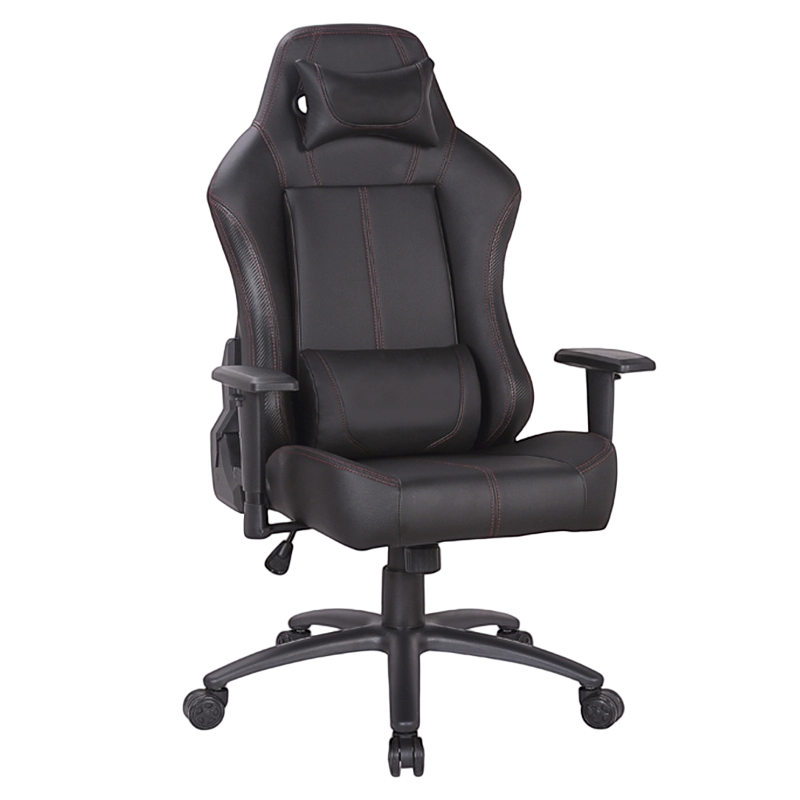
An executive office chair earns its price difference over a standard task chair in three places: the quality of the frame, the density of the cushioning, and how many hours of real adjustability it offers before the body starts compensating. Buying on appearance alone is the most common mistake corporate buyers make.
Seat Height 42-52cm Typical adjustable range
Load Rating 120-150kg Common commercial-grade capacity
Recline Angle 90-135° Standard tilt mechanism range
What Separates an Executive Chair From a Standard One01
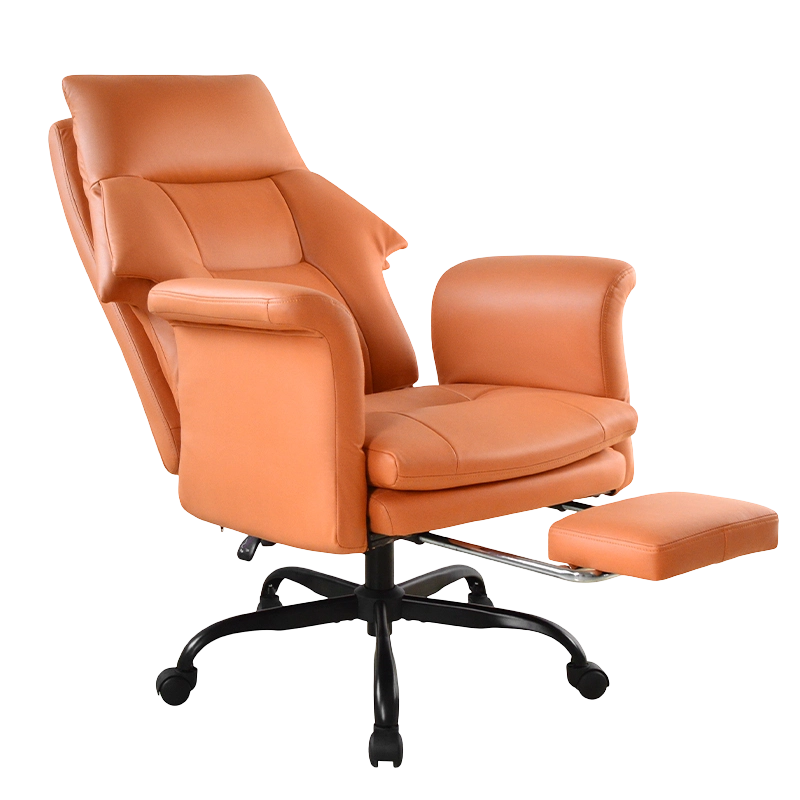
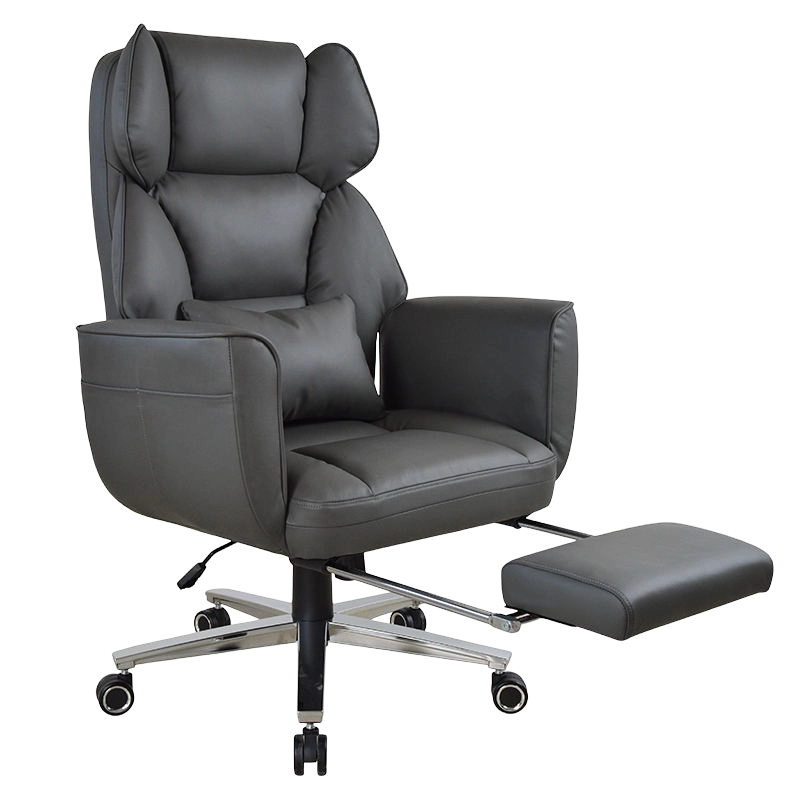
An executive office chair is built around a taller backrest, heavier-duty frame, and denser foam than a standard task chair, because it is designed for people who sit at a desk for most of the working day and need support that holds up over years, not months.
The real test of an executive chair isn't how it feels in the showroom - it's how the lumbar support and seat cushion still hold their shape after year three.
Materials That Actually Affect Comfort02
Three material choices drive most of the comfort difference between chairs at similar price points.
- High-density foam that resists compression over years of daily use, rather than flattening within months
- Breathable mesh backing for warm climates or long sitting sessions, versus leather for a more formal look
- A reinforced metal or nylon-composite frame rated for repeated daily load, not just occasional use
Adjustability Worth Paying For03
Not every adjustment feature adds equal value. These five typically matter most for daily comfort.
- Independent seat height and backrest angle adjustment for different desk heights
- Lumbar support that moves with the user rather than sitting in one fixed position
- Armrests that adjust in height and width, not just height alone
- A tilt-tension control that lets recline resistance match the user's body weight
- A headrest for users who spend long stretches in a reclined position
Executive Chair vs Standard Office Chair04
| Factor | Executive Office Chair | Standard Office Chair |
| Frame and materials | Reinforced, higher-grade construction | Lighter-duty construction |
| Cushioning | Higher-density foam, longer-lasting shape | Basic foam, compresses sooner |
| Adjustability | Multi-point ergonomic adjustment | Limited to height and basic tilt |
| Best fit | Executive offices, boardrooms, long desk hours | General workstations, shared seating |
Where These Chairs Get Specified05
Beyond the corner office, executive-grade seating shows up anywhere long sitting hours meet a professional setting.
- Corporate management offices and private workspaces
- Boardrooms and conference rooms used for extended meetings
- Financial, legal, and consulting firms with client-facing offices
- Home offices for remote executives and long-hour professionals
Questions to Ask Before You Order in Bulk06
For office-wide or corporate procurement, confirm warranty length on the gas lift and tilt mechanism, available upholstery options for brand consistency, and whether load testing data is available for the specific model, not just the general product line.
Frequently Asked Questions
What is the difference between an executive chair and a manager chair?
Executive chairs typically have a taller backrest, higher-grade upholstery such as leather, and a more formal appearance, while manager chairs offer similar ergonomic function at a more moderate price point and finish level.
How long should an executive office chair last?
A well-built commercial-grade executive chair typically holds its cushioning and mechanism performance for five to eight years of daily office use before major components need replacement.
Is mesh or leather better for an executive chair?
Mesh offers better breathability for warm climates or long sitting sessions, while leather provides a more formal, premium appearance suited to client-facing offices; the right choice depends on climate and image priorities.
What load capacity should a commercial executive chair have?
Most commercial-grade executive chairs are rated between 120 and 150 kilograms; office buyers should confirm the specific rating matches their workforce rather than assuming a standard figure applies.



-
EMAIL
jacky@guyoufurniture.com
-
mobile
+86-15705723262
-
address
Baishuiwan Industry Zone, Tianhuangping Town, Anji County, Huzhou City, Zhejiang Province, China
CONTACT FORM
Copyright 2024 Anji Guyou Furniture Co., Ltd. Rights Reserved. Wholesale Furniture Chairs Suppliers
