

 Language
 English
 Français
 Español
 Deutsch
Wooden vs Upholstered Dining Chairs: Which One Is Better?
2026-08-07
The choice between a wooden dining chair and an upholstered one is not merely about aesthetics. It is a decision with long-term implications for comfort, maintenance, and the daily rhythm of your home. While a set of dining room chairs may initially catch your eye based on style, understanding the technical and practical differences between wood and upholstery will determine whether that choice remains comfortable and practical months and years later.
This guide moves beyond superficial style advice to deliver a structured comparison. We will examine the data on durability, comfort, and upkeep, providing a framework that considers everything from the structural integrity of solid wood dining chair frames to the performance characteristics of fabric dining chair and leather dining chair coverings. This is not about declaring an absolute winner, but about matching the material to your specific operational reality.
The Foundation: Structural Integrity and Material Science
Before considering fabric or finish, the question of material science must be addressed. The lifespan and performance of a modern dining chair are fundamentally determined by its core construction.
Solid Wood: The Benchmark for Longevity
A chair built on kiln-dried hardwood—where moisture content is meticulously reduced before construction—holds its joints and resists the warping and loosening that plagues lower-grade timber. Ash and oak offer exceptional durability in high-use environments; they handle daily use, and a scratch or small dent often reads as character rather than damage. A well-constructed solid wood dining chair represents a long-term investment; its frame is designed to outlast trends and even the upholstery it may support. Data suggests that a wooden chair on a solid hardwood frame, reasonably maintained, will hold its structure for fifteen years or more.
Upholstered Frames: The Hidden Determinant of Performance
For upholstered dining room chairs, durability depends on the frame underneath the fabric just as much as on the covering itself. A well-built upholstered chair on a solid hardwood frame, with foam at a quality density, will remain composed and structurally sound for a decade or more. Conversely, a chair on a cheaper frame—often MDF or particleboard—begins to flex and creak within two or three years, regardless of how attractive the velvet dining chair or fabric looked on day one. The fabric is what you see; the frame is what determines whether the chair holds its shape after years of daily use.
Comfort Engineering: Ergonomics and Sitting Experience
Comfort is relative and depends heavily on the intended use of the space. The comfortable dining chair for a quick breakfast differs markedly from one designed for a three-hour dinner party.
Upholstered Chairs: The Science of Support
Upholstered chairs excel in environments where extended sitting is the norm. Properly engineered cushioning—using foams of appropriate density—provides pressure relief that a hard surface cannot replicate. However, the data on seating comfort suggests a critical nuance: a chair cannot be too soft. Excessively plush seating can cause a person to slouch, making it difficult to eat comfortably. The right upholstered chair uses a 2.5-lb foam seat or similar density to provide support structure while still feeling luxurious. Modern performance fabrics and leathers also offer breathability and temperature regulation, improving the overall sitting experience.
Wooden Chairs: The Misconception of Discomfort
Modern wooden dining chair design has evolved significantly. While traditionally associated with firmness, many contemporary wooden chairs now feature steam-bent backs and scooped, ergonomic seats that provide support you would not expect from wood. They encourage posture that keeps the dining experience moving, which is ideal for fast-paced environments. For those prioritizing comfort, the most effective compromise is a modern dining chair with a wooden frame and an upholstered seat—combining structural integrity with targeted cushioning.
Key Comfort Insights
- Standard seat height for dining chair compatibility with a 28-30 inch table is 17-19 inches.
- Firm Support: Wood chairs provide a structured seating experience that prevents slouching.
- Pressure Relief: Upholstered seats reduce pressure points for extended comfort, though excessive softness can cause postural issues.
Operational Durability: Maintenance and Lifecycle Costs
The day-to-day reality of owning a dining room chairs set involves more than just sitting. Spills, cleaning routines, and long-term wear define the true cost of ownership.
| Factor | Wooden Dining Chair | Upholstered Dining Chair |
|---|---|---|
| Cleaning Ease | High: Simple wipe-down with a damp cloth. New finishes are practically waterproof. | Low to Moderate: Requires vacuuming, spot cleaning, and professional cleaning. Even performance fabrics need attention. |
| Stain Resistance | Excellent: Spills sit on the surface and are easily removed. | Variable: Standard fabric soaks up spills; performance fabric helps but is not magic. Leather dining chair options offer better resistance. |
| Longevity | 15+ years: Solid hardwood frames can last for decades. | 10-12 years: Fabric fades and frays; cushions compress. Often requires reupholstery or replacement. |
| Repairability | High: Surface damage can often be sanded or repaired without replacing the entire chair. | Low: Damage to fabric is difficult to repair; may require professional reupholstery. |
Conclusion on Care: A wooden dining chair is the clear winner for households with children, pets, or anyone who prioritizes ease of cleaning. The maintenance profile of an upholstered chair requires a higher tolerance for upkeep and a willingness to manage spills and wear proactively.
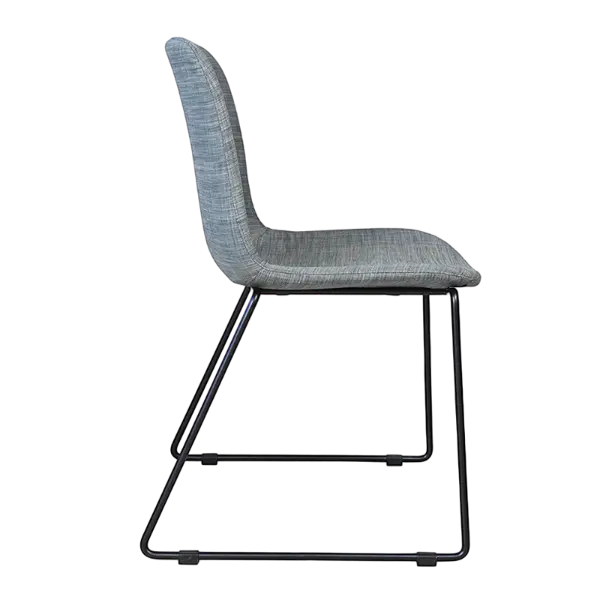
Visual Dynamics: Aesthetic Impact and Design Integration
The choice between wood and upholstery is a decision about the visual language of the space. One introduces texture and softness; the other, structure and continuity.
The Role of Wood in Design
Wood reads as clean and continuous. Paired with a timber table in a matching or complementary tone, the room achieves a coherence that suits pared-back, Italian-inspired interiors particularly well. A solid wood dining chair with a slimmer profile takes up less visual weight, letting the room breathe and allowing the architecture to speak. It suits traditional, rustic, and modern farmhouse aesthetics, showcasing the natural beauty of wood grain.
The Textural Contribution of Upholstery
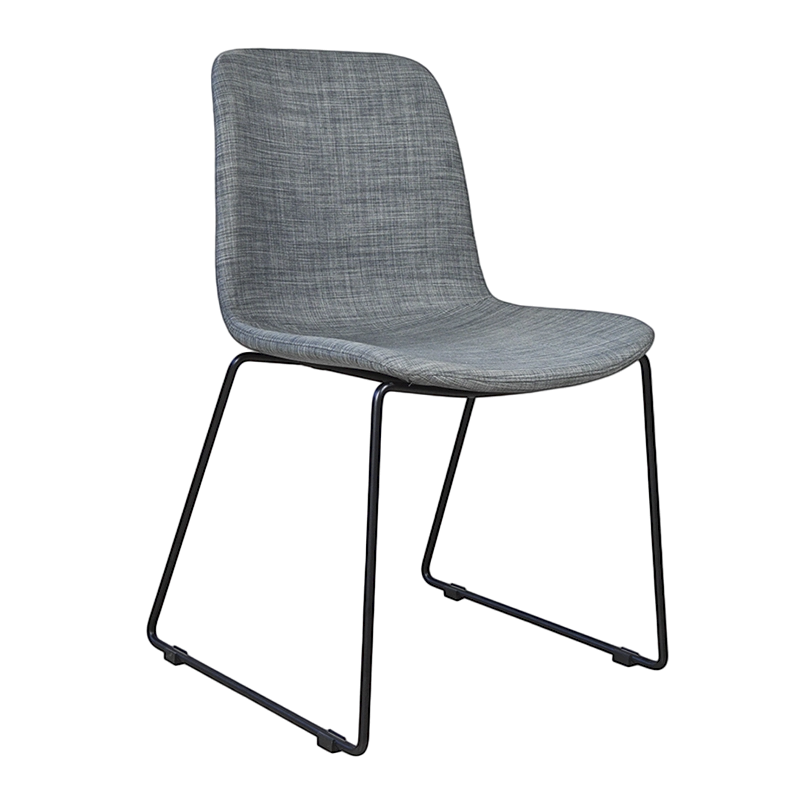
An upholstered modern dining chair introduces texture, pattern, and a sense of luxury into the dining room. In spaces where the table is made of sintered stone or natural timber, an upholstered seat in a linen-look performance fabric or dark leather adds a layer of warmth that a hardwood chair cannot quite replicate. The contrast between a hard table surface and a soft seat is part of what makes a dining room feel considered rather than uniform. Upholstery allows for a broader color palette and the introduction of patterns, making it a powerful tool for personal expression.
The Strategic Decision: A Framework for Selection
The decision is not about which is better, but which is more appropriate for your specific context. We have synthesized the key operational criteria into a structured guide to help you navigate the choice between a dining chair with a wooden frame and one with an upholstered finish.
Prioritize Wooden Dining Chairs When:
- Operational simplicity is paramount: You seek a dining chair buying guide leading to minimal maintenance.
- Lifespan matters: You are investing in furniture intended to last decades.
- Environment is demanding: The household includes young children or pets where spills and messes are routine.
- Aesthetic is minimalist or traditional: The design goal is a clean, continuous, and uncluttered look.
- Quick turnaround is needed: The space functions as a high-turnover environment where quick cleaning and resetting are necessary.
Prioritize Upholstered Dining Chairs When:
- Comfort is the primary concern: Meals typically last an hour or more, and the comfortable dining chair is a critical requirement.
- Design expression is key: You want the flexibility of color, pattern, and texture to enhance the room's décor.
- Space functions as a multi-purpose room: The dining area also serves as a workspace or place for extended socializing.
- Maintenance is acceptable: You are prepared for the cleaning and upkeep demands of fabric or leather.
Strategic Recommendation
For most households, the optimal solution is a hybrid approach: a solid wood dining chair frame with an upholstered seat pad. This provides the structural integrity and ease of maintenance of wood where it matters most, combined with the targeted comfort of cushioning where it is needed.
Frequently Asked Questions: How to Choose Dining Chair
Q1: Which is more comfortable: a wooden or upholstered dining chair?
Upholstered chairs provide superior cushioning for long periods, but modern wooden chairs with ergonomic designs offer firm, supportive comfort for shorter meals. The choice depends on the intended duration of use.
Q2: Are wooden dining chairs durable?
Yes. A solid wood dining chair on a kiln-dried hardwood frame is exceptionally durable and can last for over 15 years, often outlasting upholstered alternatives.
Q3: How do I clean a fabric dining chair?
Regular vacuuming is essential. For spills, immediate blotting and spot cleaning with appropriate cleaners are required. Performance fabrics offer enhanced stain resistance but are not stain-proof.
Q4: Can I mix wooden and upholstered chairs in the same dining room?
Yes, a mix-and-match approach is highly effective. A common strategy is to place upholstered chairs at the heads of the table for comfort and visual accent, with wooden side chairs for practicality and easy maintenance.
Q5: What is the best material for a dining chair if I have kids?
A dining chair with a solid wood frame and a leather or high-performance fabric seat is typically best. Wood is easy to clean, and leather dining chair options resist spills and stains well.
Q6: What is the standard height for a dining chair?
Standard dining room chairs have a seat height of 17 to 19 inches, designed to pair with a table that is 28 to 30 inches tall. Always verify the height of your table before making a purchase.
Q7: Are metal dining chairs a good alternative to wood?
Metal dining chair options offer exceptional durability and a slim visual profile, making them ideal for small spaces and humid environments. However, they lack the natural warmth and texture of wood.




-
EMAIL
jacky@guyoufurniture.com
-
mobile
+86-15705723262
-
address
Baishuiwan Industry Zone, Tianhuangping Town, Anji County, Huzhou City, Zhejiang Province, China
CONTACT FORM
Copyright 2024 Anji Guyou Furniture Co., Ltd. Rights Reserved. Wholesale Furniture Chairs Suppliers
