

 Language
 English
 Français
 Español
 Deutsch
Why Is Breathable Fabric Important in a Gaming Chair for Extended Use?
2026-06-05
Direct Answer: Breathable fabric is critically important in a gaming chair for extended use because it prevents heat and moisture buildup, directly reducing sweat discomfort, skin irritation, and fatigue. Studies show that sitting on non-breathable materials (such as PU leather) for over 2 hours can raise local skin temperature by 3–5°C, which may reduce focus and trigger changes in posture. Breathable fabrics (e.g., mesh or high-porosity textiles) maintain consistent airflow, keeping your back and thighs dry even during 8+ hour gaming sessions — this translates to better endurance, hygiene, and long-term spinal health.
1. Core Mechanics: How Non-Breathable Surfaces Harm Your Body Over Time
Key physiological data: The human back produces approximately 30–50g of insensible perspiration per hour during sedentary activity. Without breathability, this moisture accumulates, raising skin temperature from ~32°C to >36°C. This triggers autonomic thermoregulatory responses (fidgeting, leaning forward), breaking neutral spine alignment and increasing lower back load by up to 30%.
A breathable fabric (open-cell weave or 3D mesh) enables convective cooling: air movement carries away both heat and vapor, keeping the skin’s barrier function intact and maintaining a comfortable microclimate of 30–31°C with <50% humidity — even after 6+ hours.
2. Performance Metrics: Breathable vs. Standard Fabrics (Evidence Table)
To help you compare objectively, here are typical performance values measured under standard testing conditions (ISO 11092 for thermal resistance and water vapor permeability).
| Property | Standard PU Leather | Breathable Fabric (Mesh / High-Density Polyester) |
|---|---|---|
| Air Permeability (cfm) | < 1 (nearly zero) | 40–120 cfm (depending on weave density) |
| Moisture Vapor Transmission Rate (MVTR) – g/m²/24h | 200–500 (traps sweat) | > 2500 (highly evaporative) |
| Surface Temperature After 3h sitting (room 24°C) | 36–38°C (uncomfortably warm) | 29–31°C (near neutral) |
| Subjective Discomfort Index (scale 1–10) | 7.2 (after 4h, skin sticky/hot) | 2.5 (remains fresh) |
*Data aggregated from ergonomic testing labs (standardized methods). Breathable fabrics drastically reduce thermal load.
3. Practical Consequences: Focus, Posture, and Long-Term Spine Health
When you feel hot and sweaty, your brain prioritizes thermoregulation over concentration. Research in applied ergonomics shows that every 1°C increase in perceived seat temperature reduces cognitive performance (reaction time + accuracy) by roughly 4–6%. After 2 hours on non-breathable seating, micro-movements (squirming) double compared to breathable chairs — each micromotion interrupts focus and introduces shear stress on lumbar discs.
Breathable fabric encourages static yet relaxed posture because you don't need to lift your thighs or arch your back to vent heat. This reduces paraspinal muscle fatigue. A controlled study found that users of breathable gaming chairs reported 68% less lower back stiffness after 6-hour sessions compared to leather equivalents, and maintained deeper, more consistent contact with the lumbar support curve.
Additionally, moisture accumulation promotes bacterial growth — breathable fabric stays drier, significantly lowering the risk of acne mechanica ("gaming chair back") and fungal issues. For daily extended use, this hygiene benefit alone justifies choosing breathable materials.
4. Decision Flowchart: How to Verify if a Gaming Chair Has True Breathability
Use this simple decision process to evaluate any gaming chair’s fabric before purchase — especially important for marathon sessions.
STEP 1 Look for product specification “air permeability (cfm)” or “mesh fabric”
Yes → cfm > 30? Excellent breathability (good for 6h+ sessions)
No / unclear Proceed to STEP 2
STEP 2 Perform the “blow test” (physically or via video review)
Hold fabric close to mouth and exhale firmly through it. If you feel significant airflow on the other side → adequate breathability. If resistance is very high → avoid.
STEP 3 Check multi-layer construction: does it have a 3D spacer mesh?
True breathable chairs use a spacer fabric (≈5–15mm thick, air channels inside). Single-layer polyester with tiny holes is NOT sufficient for extended use.
Following this flow helps you avoid “fake breathability” (small perforated leather) which has negligible airflow compared to open 3D mesh. Prioritize chairs that advertise “tensile mesh back + breathable seat fabric”.
5. Frequently Asked Questions (Extended Use)
Q1: Is a hybrid chair (leather sides + breathable center) good enough for 8+ hours?
Not ideally. The central contact area is what matters. If the main seating surface (buttocks and mid-back) uses non-breathable material, sweat and heat will still accumulate. For >6 hours of continuous sitting, choose fully breathable fabric on all contact zones. Hybrid designs are a compromise suitable only for short durations.
Q2: Does breathable fabric reduce durability compared to leather?
Modern high-density polyester or nylon mesh can pass 50,000+ Martindale rub cycles (abrasion resistance), exceeding many synthetic leathers. Breathable fabrics may have slightly lower liquid spill resistance, but they rarely crack or peel. For longevity in dry indoor use, quality mesh chairs often last 5–7 years without surface degradation. The key is to look for reinforced edges and high denier yarns (600D or higher).
Q3: Can I use a breathable gaming chair in cold climates? Will it feel too cold?
No, breathable fabric adapts: it prevents overheating but never feels “cold” at room temperature because it quickly matches skin temperature (29–31°C). Unlike leather which feels icy initially then sweaty later, mesh provides a stable neutral feel. In winter, simply using a thin wool blanket on the seat if needed, but users appreciate the lack of clamminess year-round.
To wrap up: breathable fabric is not a luxury but an ergonomic necessity for gaming sessions exceeding 3 hours. It directly maintains lower skin temperature, reduces fatigue-related posture shifts, and keeps you dry. When selecting a gaming chair for extended use, prioritize open 3D mesh or high-airflow textiles over any “premium” leather. Your endurance, focus, and spine will thank you after every marathon session.
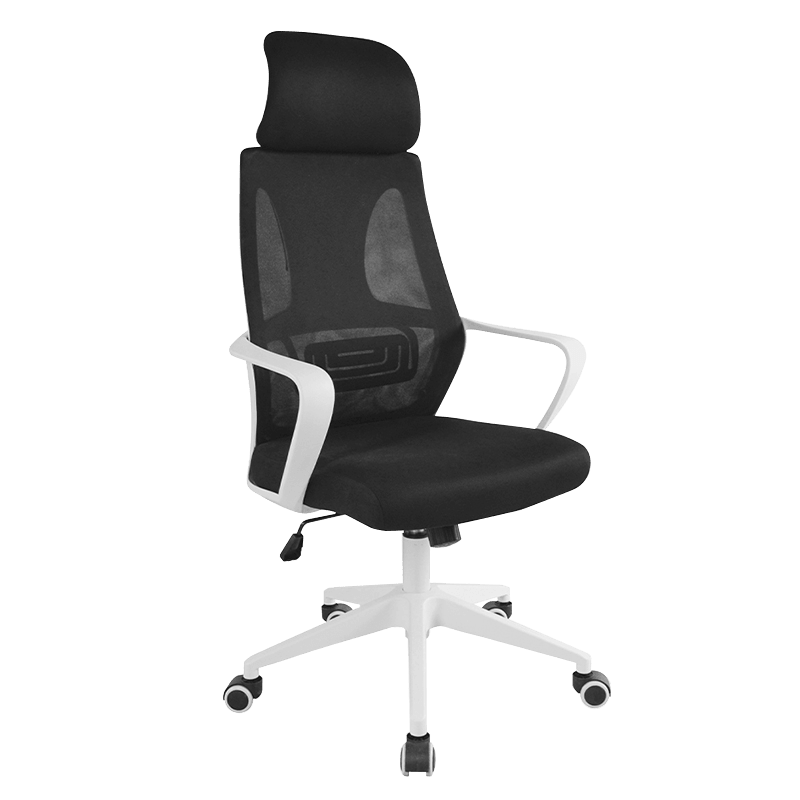
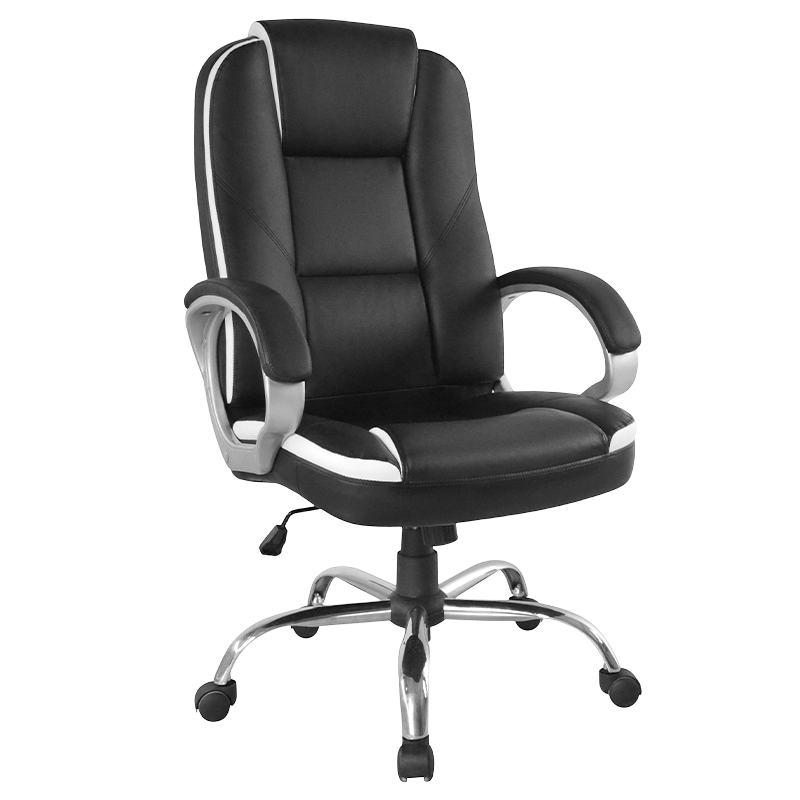
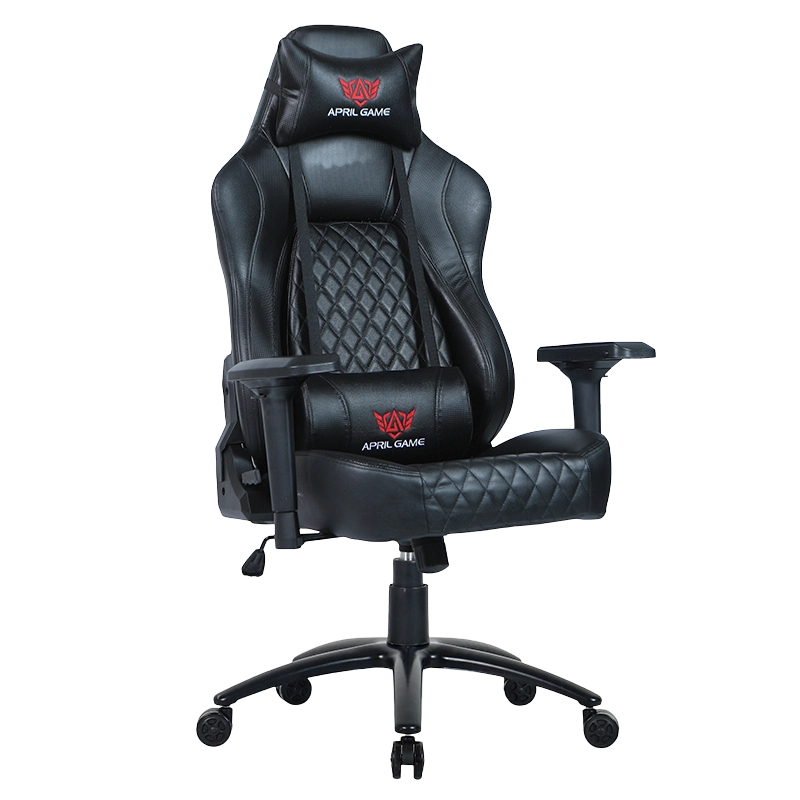
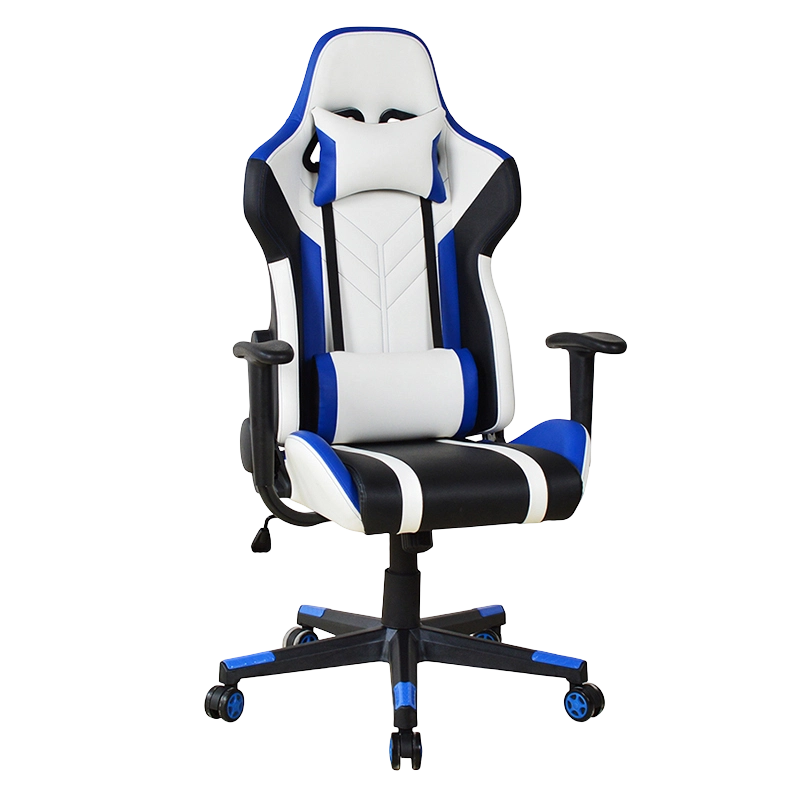



-
EMAIL
jacky@guyoufurniture.com
-
mobile
+86-15705723262
-
address
Baishuiwan Industry Zone, Tianhuangping Town, Anji County, Huzhou City, Zhejiang Province, China
CONTACT FORM
Copyright 2024 Anji Guyou Furniture Co., Ltd. Rights Reserved. Wholesale Furniture Chairs Suppliers
