

 Language
 English
 Français
 Español
 Deutsch
How to Choose the Right Dining Chair: A Practical Sourcing Guide for Wholesale and OEM Buyers
2026-10-23
Buying dining chairs in bulk looks simple on a spreadsheet, but the gap between a good order and a costly one often comes down to a few details: frame construction, upholstery durability, leg finish, packing efficiency and how well the supplier can adapt the design to your market. Whether you are furnishing a hotel dining room, supplying a retail chain or sourcing for a rental apartment portfolio, this guide walks through the decisions that matter most.
40HQ Standard container planning unit for most bulk chair orders
3 to 5 Typical number of material and leg combinations in a single collection
2 to 4 Weeks commonly needed for sample approval before production
Understanding What a Modern Accent Dining Chair Really Offers
An accent dining chair sits between a basic functional seat and a decorative piece. It adds color, texture and shape to a dining space while still handling daily use. Over the past several years, demand for upholstered designs has grown across residential and commercial markets because buyers want rooms that feel warm and considered without relying on heavy, expensive furniture.
Residential buyers usually prioritize comfort, appearance and easy cleaning. Commercial buyers, such as hotel operators, cafe owners and restaurant groups, add durability, stain resistance, stackability and consistent appearance across dozens or hundreds of seats. Knowing which group your customers belong to helps you narrow the specification before you request a single quotation.
A chair that looks excellent in a showroom can fail within months in a high-traffic restaurant if the frame joints and fabric rub resistance were not specified correctly from the start.
Main Types of Dining Chairs by Material and Style
Material choice shapes cost, comfort, cleaning routine and visual impression. The table below summarizes the most common upholstered and metal-leg configurations used in bulk dining projects.
| Chair Type | Upholstery | Leg Finish | Best Suited For |
|---|---|---|---|
| Fabric cover with metal frame | Woven or blended fabric | Black painted iron | Homes and budget-conscious projects |
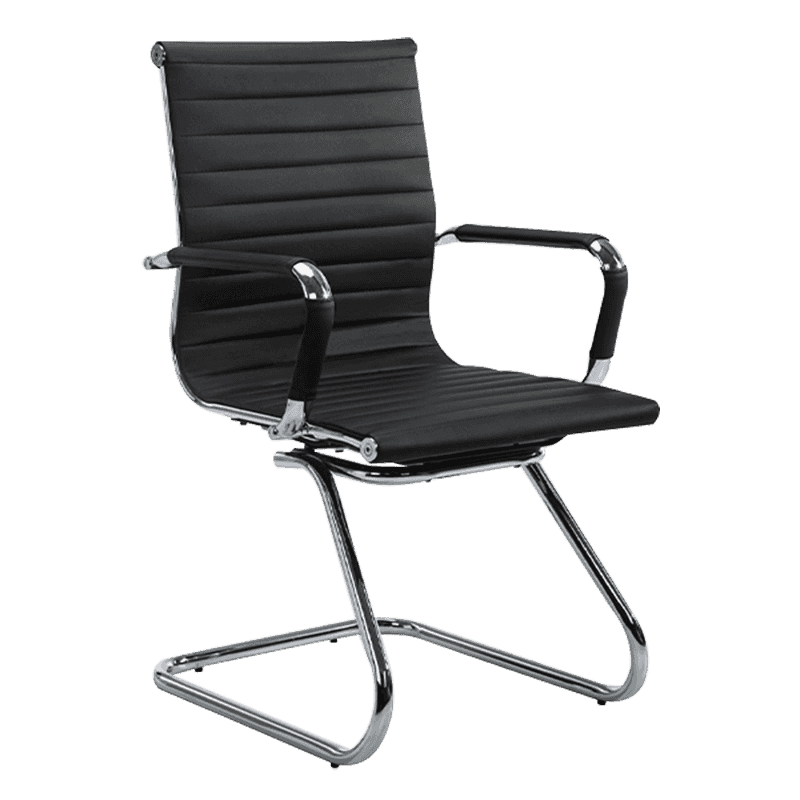
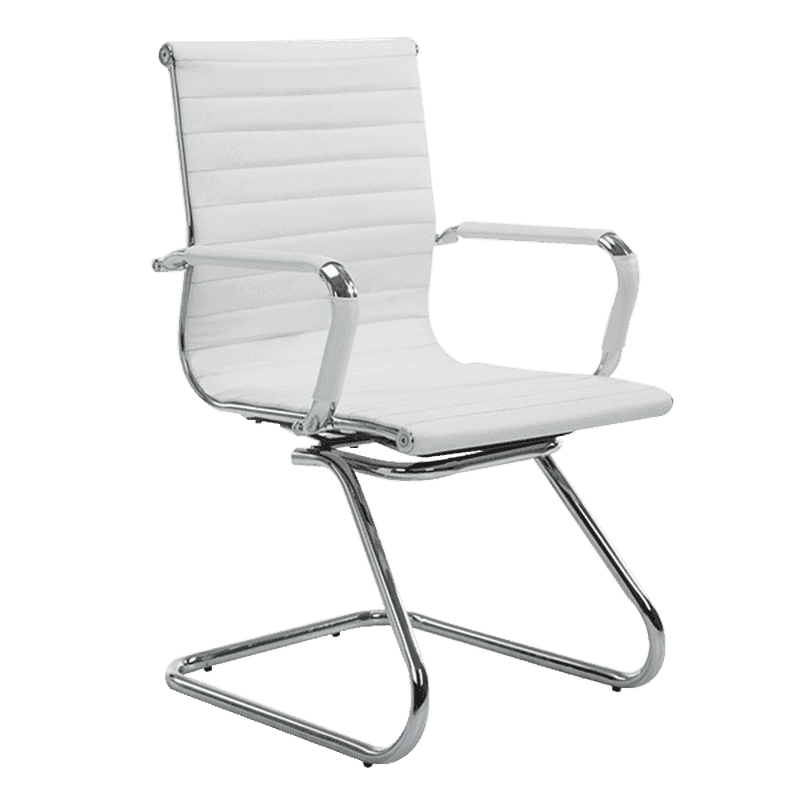
| PU leather mid-back | Polyurethane leather | Painted iron legs | Cafes, restaurants and easy-clean needs |
| Teddy fleece with armrest | Soft teddy fleece | Black metal legs | Residential and boutique hospitality |
| Low-back velvet or teddy | Velvet or teddy fabric | Gold plated iron | Feature seating and statement dining rooms |
| Round-back teddy fleece | Full teddy fleece | Shiny gold metal legs | Upscale hotels and premium retail |
| Channel-stitched velvet | Velvet with tufted detail | Metal legs in matching finish | Accent seating and design-led interiors |
Fabric Cover Dining Chairs
Fabric upholstered chairs with a metal frame remain one of the most requested configurations for wholesale buyers. The fabric choice determines much of the look, while the sled-style base and metal construction provide stability. For buyers serving a mixed market, a fabric chair with several color options can cover both residential and light commercial demand.
PU Leather Mid-Back Dining Chairs
PU leather designs are favored in environments where spills and frequent wiping are normal. A mid-back profile gives support for longer meals while keeping the silhouette compact. Decorative stitching adds visual interest without complicating production, and plywood inner frames keep weight manageable for stacking and shipping.
Teddy Fleece and Velvet Accent Chairs
Soft teddy fleece and velvet upholstery create a tactile, premium feel that works well in hospitality and feature dining. Channel tufting and curved backrests increase visual depth, while armrest variations allow buyers to offer both armchair and side chair options within one collection.
Gold and Black Metal Leg Options
Leg finish is one of the fastest ways to change a chair's character. Black painted iron suits minimal and industrial interiors, while gold plated bases suit warm, luxurious or contemporary settings. Metal legs are generally more durable than wood in commercial use, though the coating quality and welding points should always be checked on samples.
Key Factors to Evaluate When Sourcing Wholesale Dining Chairs
Experienced buyers judge a dining chair supplier on more than appearance. The following criteria tend to separate reliable production partners from those that create problems after delivery.
Frame and Structural Quality
A dining chair should comfortably support daily loads. Commercial buyers commonly ask for joint reinforcement at the seat base, stretcher bars where applicable, and welded connections that are finished cleanly. Plywood inner frames should use multiple layers bonded with stable adhesive, which reduces warping over time.
Upholstery Performance
Fabric and leather behave differently under use. Rub resistance, colorfastness and seam strength all affect lifespan. For restaurants and hotels, ask for test reports on abrasion and flame retardance for the relevant market, and confirm that the cover material meets the standards required in your destination country.
Load Capacity
Confirm that the frame and base design fit the expected user weight and daily cycles.
Cover Durability
Request rub test results and sample swatches tested under real use conditions.
Finish Consistency
Check that paint and plating match across production batches, not just the approved sample.
Packing Efficiency
Chairs that nest or knock down well reduce freight cost per unit significantly.
Packing and Container Loading Volume
Logistics often represents a meaningful share of landed cost for bulk furniture. Buyers should ask how many pieces fit in a 40HQ container, how the chairs are packed, and whether the packaging protects upholstery during ocean transit. Efficient packing can improve loading volume noticeably, and it also reduces transit damage.
A typical bulk dining chair order moves through specification, sampling, production and loading in sequence.
Customization Capability
Many buyers need a chair adapted to a brand, a hotel design brief or a regional taste. Practical customization options include fabric and leather color, metal leg finish, seat height within a standard range, and embossed logo placement on the backrest or base. Ask whether the supplier offers both OEM production, where your specification is built, and ODM development, where the factory contributes design input.
Common Application Scenarios for Dining Chair Projects
The right specification depends heavily on where the chair will live. Matching the design to its environment reduces returns and complaints.
- Residential dining rooms: comfort and visual appeal matter most, with fabric and teddy fleece options performing well.
- Hotels, cafes and restaurants: stain resistance, consistent finish and stackable frames are priorities, and PU leather often suits high-turnover settings.
- Apartment and rental furniture: durable, neutral colors and easy assembly keep turnover costs low.
Planning Your Order: Timelines, Quantities and Payment
Realistic planning prevents delays. Most bulk dining chair orders follow a similar cycle, although exact durations vary with complexity and factory schedule.
| Stage | Typical Duration | Buyer Action |
|---|---|---|
| Specification and quotation | 3 to 7 days | Share material, size and finish requirements |
| Sample production | 2 to 4 weeks | Review comfort, color and construction |
| Bulk production | 4 to 8 weeks | Confirm inspection schedule |
| Shipping and delivery | 4 to 6 weeks by sea | Arrange freight and receiving |
Minimum order quantities for custom designs are often higher than for standard catalog items, because tooling, fabric lots and paint batches must be prepared. Agree on the sample approval process in writing before production begins, since it protects both sides if a dispute arises later.
Frequently Asked Questions About Bulk Dining Chair Purchasing
Q1: What is the typical minimum order quantity for custom dining chairs?
Standard catalog designs usually have lower thresholds than fully custom projects. Custom fabric, finish or logo work generally requires a higher quantity so that materials and setup costs can be spread across the run.
Q2: Can I request a sample before placing a bulk order?
Yes. Sampling is a standard step for serious buyers. Samples let you check seat comfort, color accuracy, frame strength and finish quality before committing to a full container.
Q3: How many chairs fit in a 40HQ container?
The count depends on the chair's dimensions and whether it is knocked down or assembled. Compact packing with nested or disassembled frames can significantly increase the number of units per container.
Q4: What is the difference between OEM and ODM for dining chairs?
OEM means the factory produces to your drawings and specification. ODM means the factory contributes design and development, and you select or adapt the final product for your brand.
Q5: Which upholstery is best for a restaurant?
PU leather and high-rub-resistance fabrics are common choices because they tolerate frequent cleaning. Ask for abrasion test data and cleaning guidance before deciding.
Q6: Are payment terms negotiable for wholesale orders?
Payment structures vary by supplier and order size. A common approach is a deposit before production and a balance before shipment, though terms should be confirmed in your purchase agreement.
Next Steps for Your Dining Chair Sourcing Project
A clear brief leads to a faster and more accurate quotation. Prepare your target market, quantity, preferred materials, finish options and delivery destination, then compare suppliers on sample quality, process transparency and communication speed. To explore the full range and request pricing, visit the dining chair collection and share your requirements with the sales team.



-
EMAIL
jacky@guyoufurniture.com
-
mobile
+86-15705723262
-
address
Baishuiwan Industry Zone, Tianhuangping Town, Anji County, Huzhou City, Zhejiang Province, China
CONTACT FORM
Copyright 2024 Anji Guyou Furniture Co., Ltd. Rights Reserved. Wholesale Furniture Chairs Suppliers
