

 Language
 English
 Français
 Español
 Deutsch
Home Office Chair Buying Guide: Features to Look for Before You Buy
2026-04-03
Introduction
As more people adapt to remote work, selecting the right home office chair has become crucial for productivity and comfort. A home office chair is not just a place to sit, but a tool that supports your posture, keeps you comfortable, and enhances your overall work experience.
Importance of Comfort and Ergonomics
When it comes to a home office chair, comfort is paramount. Whether you’re working for hours on end or just spending a few hours a day, an uncomfortable chair can back pain, poor posture, and decreased productivity. Ergonomics is the science of designing products to fit the human body, and for a home office chair, this means supporting your body in the natural and comfortable way possible.
Key Ergonomic Features to Consider:
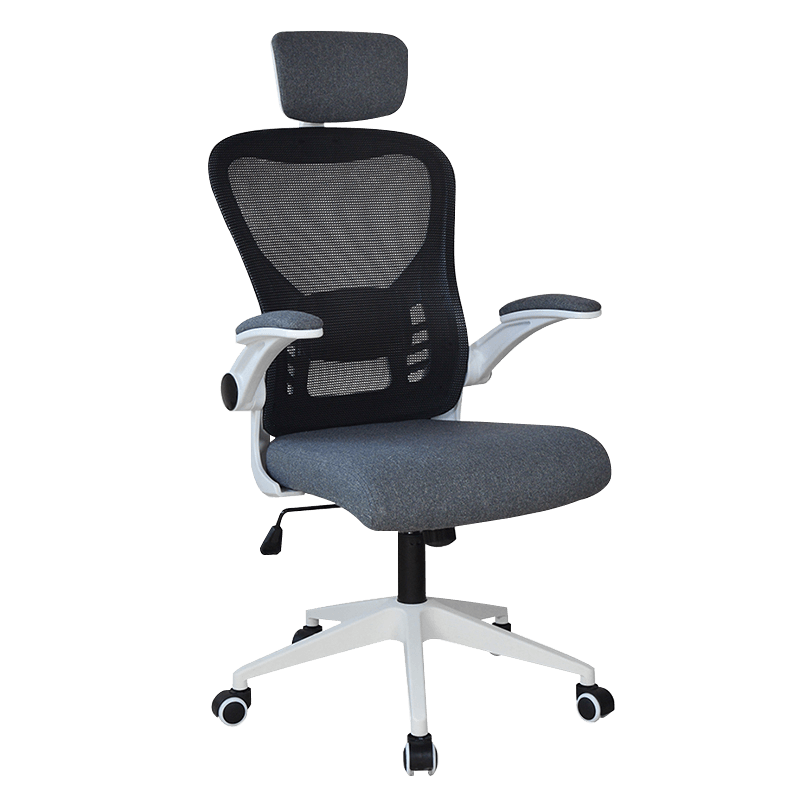
- Lumbar Support: This is perhaps the crucial ergonomic feature. A chair with good lumbar support helps maintain the natural curve of your spine, preventing lower back pain.
- Seat Depth and Width: The seat should allow you to sit with your feet flat on the ground and your knees at a 90-degree angle. The depth should allow for about 2-4 inches between the back of your knees and the edge of the chair.
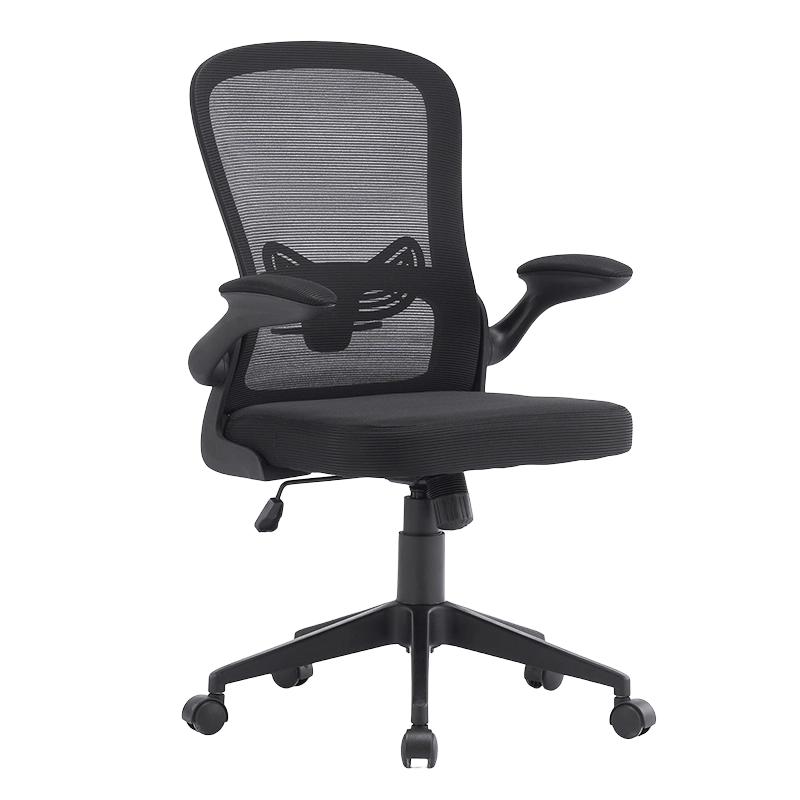
- Adjustable Armrests: Your armrests should allow your arms to rest comfortably with your shoulders relaxed, reducing strain on your shoulders and neck.
Adjustability and Customization
A good home office chair should offer adjustability to fit your body and work style. No two people are exactly alike, and having a chair that can be customized ensures you remain comfortable throughout the day.
Key Adjustable Features:
- Height Adjustment: This allows you to set the chair height according to your desk, ensuring your feet are flat on the floor, and your knees are at the right angle.
- Tilt Mechanism: A tilt mechanism allows you to recline and lock the chair in different positions, providing relief to your back during long sitting periods.
- Seat Angle and Depth: Being able to adjust the seat angle helps you find the sitting posture. Many chairs also offer adjustable seat depth to accommodate different body types.
Material and Build Quality
The material of the chair plays a significant role in its comfort and longevity. High-quality materials ensure that the chair not only looks good but also withstands hours of use without wearing out.
Types of Materials:
- Mesh Fabric: Breathable and lightweight, mesh fabric is ideal for keeping you cool during long working hours. It’s also highly durable and easy to clean.
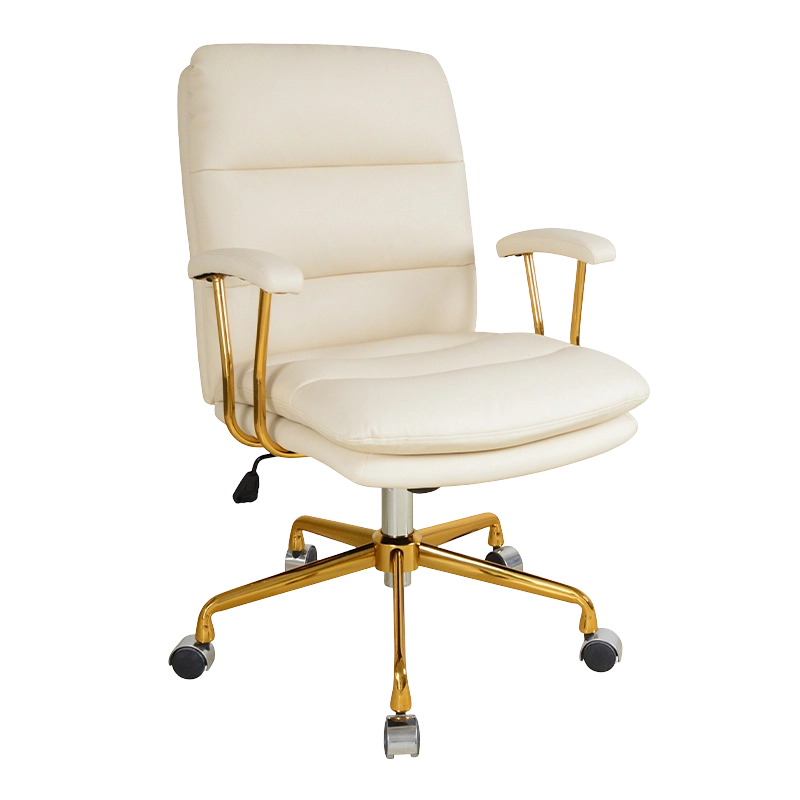
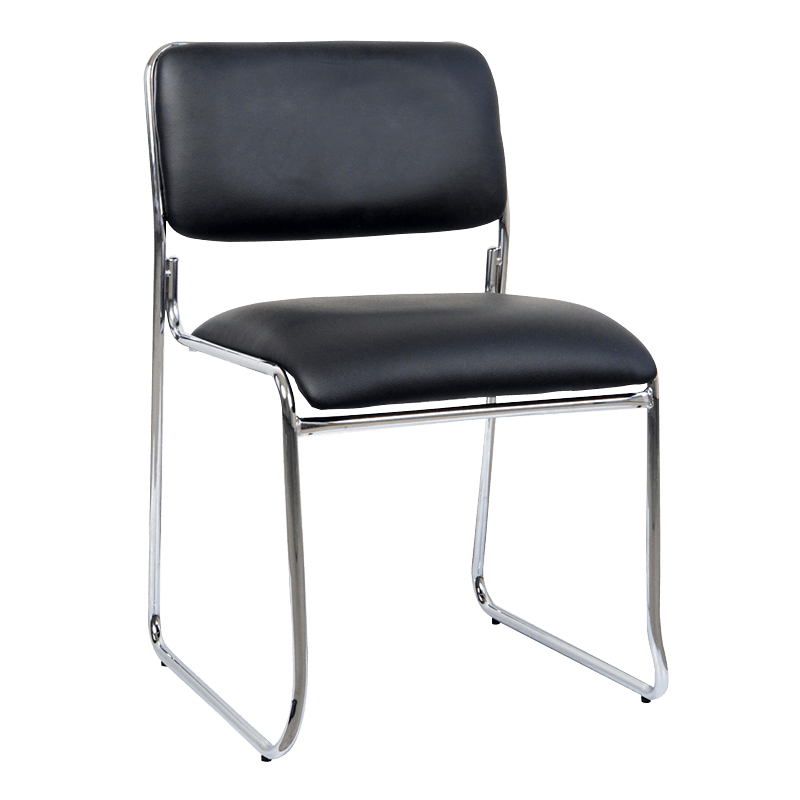
- Leather: Leather chairs offer a more luxurious feel and are known for their long-lasting durability. However, they may not be as breathable as mesh.
- Fabric: Chairs made from fabric are generally softer but may not be as durable as leather or mesh. They are, however, more comfortable for extended sitting.
Seat Cushioning
The seat cushion is another essential feature that impacts comfort. A chair with poor cushioning can discomfort and pain after extended periods.
Cushion Types:
- Memory Foam: Memory foam conforms to your body shape and provides support, especially for people who sit for long hours.
- Polyurethane Foam: A more affordable option, polyurethane foam offers adequate support and durability.
- Gel Cushions: Gel cushions offer relief from pressure points and keep you cool, making them a good option for long sitting sessions.
Durability and Warranty
A high-quality home office chair should last for years. Durability depends on the materials used in construction and the overall build quality.
What to Look for:
- Frame Material: Steel or aluminum frames tend to be the durable. Plastic frames, while lightweight, may not hold up as well over time.
- Warranty: A good warranty can provide peace of mind. Look for chairs that offer at least a 1-5 year warranty to ensure the product is well-built.
Aesthetic and Design
While functionality is crucial, the look of your chair is also important, especially if your home office is visible to clients or colleagues.
Design Considerations:
- Style: Choose a chair that complements the overall design of your office. Modern, minimalist, and ergonomic chairs are popular choices for home offices.
- Color: Neutral colors like black, gray, or beige tend to fit well in office environments. However, some chairs are available in more vibrant shades, allowing you to personalize your space.
- Size: Ensure the chair fits the size of your desk and your office space. A bulky chair may overwhelm a small space, while a too-small chair may not provide the support you need.
Mobility and Stability
If you need to move around your workspace frequently, consider the mobility of your home office chair.
Wheel Type:
- Hard Wheels: Best for hard floors like tile or wood.
- Soft Wheels: Ideal for carpeted floors as they won’t cause damage.
Base Stability:
- A stable five-point base will prevent tipping and provide proper support, even when you’re swiveling or leaning back.
Price and Value
While it’s tempting to go for the option, investing in a high-quality home office chair can actually save you money in the long run by preventing health issues and increasing productivity.
What to Consider:
- Budget: Chairs range from budget options to premium models. A mid-range chair with the right ergonomic features can often offer the value.
- Long-Term Investment: Consider the chair as an investment in your health and comfort. Spending more upfront on a quality chair can reduce the risk of back problems and improve your work experience.
FAQ
1. What features should I look for in a home office chair?
Look for ergonomic features such as lumbar support, adjustable armrests, seat depth, and height adjustability. Ensure the chair is comfortable, with high-quality cushioning and materials.
2. How can I tell if a home office chair is ergonomic?
An ergonomic chair supports your natural body posture, with proper lumbar support, adjustable armrests, and height settings. It allows you to sit comfortably with your feet flat on the floor and your knees at a 90-degree angle.
3. What is the difference between a mesh and leather office chair?
Mesh chairs are breathable and keep you cool but may not have the luxurious feel of leather. Leather chairs are durable and stylish but may not be as breathable, making them less comfortable for long periods of sitting.
4. Are expensive home office chairs worth the investment?
Expensive chairs are often built with higher-quality materials and provide better ergonomics. If you spend long hours working, investing in a good chair can improve comfort and prevent long-term health issues like back pain.



-
EMAIL
jacky@guyoufurniture.com
-
mobile
+86-15705723262
-
address
Baishuiwan Industry Zone, Tianhuangping Town, Anji County, Huzhou City, Zhejiang Province, China
CONTACT FORM
Copyright 2024 Anji Guyou Furniture Co., Ltd. Rights Reserved. Wholesale Furniture Chairs Suppliers
